2026 Best Anodized Aluminum Suppliers for Global Buyers

Choosing among the 2026 Best Anodized Aluminum Suppliers for Global Buyers requires more than comparing catalog prices. Buyers must examine alloy consistency, anodizing thickness, color stability, production capacity, and export experience. A bright architectural panel may look excellent under showroom lights, yet reveal uneven tone after outdoor exposure. Small details matter.

Industry data supports this careful approach. The International Aluminium Institute continues to highlight rising aluminum demand and the sector’s urgent decarbonization challenge. Its sustainability studies emphasize energy efficiency, recycled content, and transparent emissions reporting. Grand View Research’s market analysis also identifies construction, automotive, electronics, and consumer products as important demand areas for anodized aluminum. These trends increase supplier opportunities, but they also make verification more important.

Reliable suppliers should provide mill test certificates, coating specifications, surface samples, and traceable quality records. ISO 7599 offers useful guidance for anodizing decorative aluminum, while QUALANOD requirements can help buyers assess process discipline. Certifications alone are not enough. A buyer should still review batch consistency, packaging quality, lead times, and complaint handling.

This guide evaluates suppliers through that practical lens. It considers technical capability, minimum order quantities, customization, logistics, and communication. No supplier wins every test. Some companies offer excellent finishes but limited global support. Others provide competitive pricing but weaker documentation. That trade-off deserves honest attention. Market reports give direction, not certainty. The final decision should follow sample testing, factory evidence, and contract-level quality requirements.
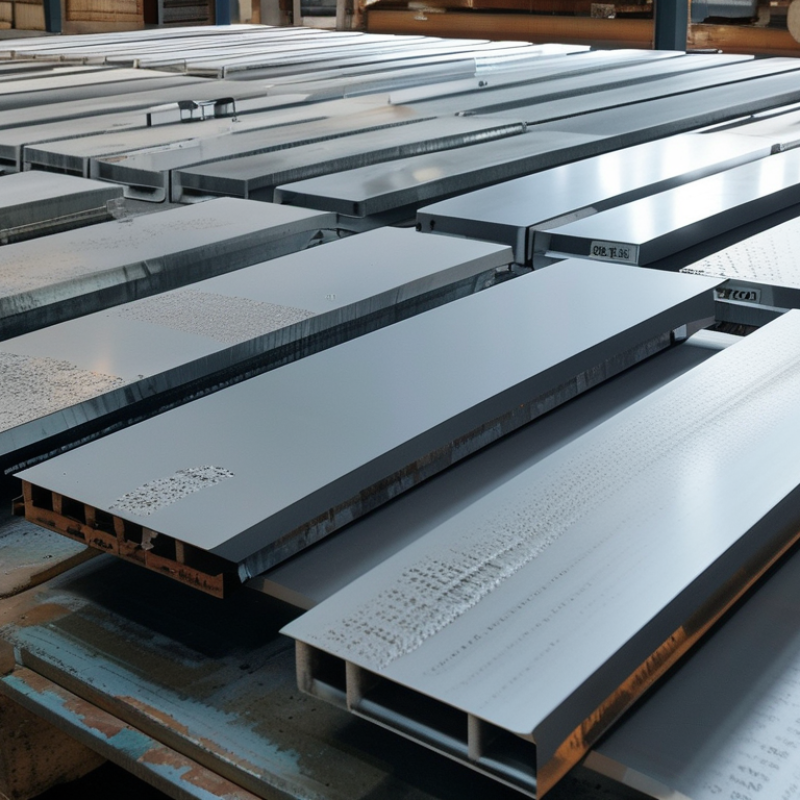
2026 Best Anodized Aluminum Suppliers for Global Buyers

What Anodized Aluminum Is and Why Global Buyers Choose It

Anodized aluminum is aluminum treated through an electrochemical process. The surface develops a controlled oxide layer. This layer becomes part of the metal, rather than a separate paint film. It can improve resistance to weather, abrasion, and surface staining. It also preserves aluminum’s low weight and clean appearance.

Global buyers choose anodized aluminum for building panels, machinery parts, lighting housings, and transport equipment. A dark bronze frame can keep its finish outdoors better than ordinary painted aluminum. A clear anodized profile may show a smooth, metallic surface while supporting easier maintenance. The process can also provide limited electrical insulation, depending on layer thickness and design requirements. Small details matter.

In supplier evaluations, I check anodizing thickness, sealing quality, color tolerance, and profile straightness. Batch records and test reports are useful, but samples reveal practical problems faster. I have seen attractive samples fail when later batches showed uneven shades near corners. That weakness deserves attention. Buyers should confirm alloy grade, surface preparation, packaging, and inspection methods before placing large orders. Hard anodizing may suit sliding parts, while standard anodizing may fit decorative applications. Neither option is automatically best. Local climate, handling conditions, and expected service life should guide the specification.

How to Evaluate Anodized Aluminum Suppliers in 2026

Choosing an anodized aluminum supplier in 2026 requires more than comparing price sheets. Start with alloy control, surface preparation, anodizing thickness, and dimensional accuracy. Ask for recent inspection reports, process records, and traceability from billet to packed parts. A serious supplier should explain how it controls color variation between production batches.

Request physical samples before approving a large order. Check the finish under natural light, not only showroom lighting. Measure coating thickness at several points, especially near corners and drilled holes. Test adhesion, hardness, corrosion resistance, and sealing quality when the application demands it. Small defects matter.

Ask how the supplier handles rejected parts, tooling changes, and urgent revisions. Clear answers reveal operational maturity. Verify production capacity with evidence, such as equipment lists, staffing levels, and realistic monthly output. Factory visits or independent audits can expose gaps between sales claims and actual processes.

Documentation also deserves attention. Confirm material certificates, environmental controls, worker safety practices, export records, and quality-management procedures. Reliable communication matters during delays. A supplier that reports problems early is usually safer than one promising perfect delivery. Still, no evaluation is flawless. A polished sample may hide inconsistent batch performance. Use a pilot order, define acceptance limits, and review results before scaling production. Evaluate the supplier’s process, not just its promises.

Key Quality Standards, Finishes, and Customization Options

Global buyers should evaluate anodized aluminum suppliers through measurable quality standards, not attractive sample photos. Ask for alloy certificates, coating-thickness reports, and sealing test results. Standards such as ISO 7599 and ASTM guidance can support consistent production. Still, standards do not replace inspection. Check surface color, edge coverage, scratches, and dimensional accuracy on real batches. In practical sourcing, small differences often appear near corners and drilled holes.

Finishes should match the product’s environment and appearance requirements. Natural, black, bronze, clear, and custom colors are common choices. Matte finishes hide minor marks, while bright finishes reveal every surface defect. Hard anodizing can improve wear resistance, but it may limit color choices. Customization may include masking, laser marking, CNC machining, brushing, bead blasting, and controlled gloss levels. Color matching needs an agreed reference panel and acceptable Delta E range. Perfect consistency is difficult, especially across different production lots.

Tips: Request pre-production samples and define acceptance criteria in writing. Confirm alloy, thickness, color tolerance, packaging, and inspection methods before placing an order. Do not rely only on a supplier’s certificate. Independent testing can expose sealing problems that remain invisible during a quick visual check. A slightly slower approval process may prevent costly rework, although it can feel excessive for simple components.

2026 Best Anodized Aluminum Suppliers for Global Buyers

Key quality benchmarks for anodized aluminum sourcing, including architectural coating classes and hard-anodizing thickness ranges. Actual specifications may vary by alloy, geometry, color, and application.

AAMA 611 Class II commonly uses a minimum anodic coating thickness of approximately 10 μm, while Class I uses approximately 18 μm. Hard anodizing is commonly specified from 25 to 50 μm for improved wear and corrosion resistance. Common customization options include clear, bronze, black, champagne, and other electrolytically colored finishes, along with CNC cutting, drilling, bending, masking, and precision tolerances.

Comparing Pricing, Production Capacity, and Export Services

For 2026 sourcing, anodized aluminum pricing should start with the metal benchmark, not a supplier’s headline quote. The World Bank Pink Sheet recorded aluminum at about US$2,419 per metric ton in 2024. Anodizing adds costs for alloy, surface preparation, electricity, dye, sealing, inspection, packaging, and inland freight. Ask for a cost breakdown. Otherwise, comparison becomes guesswork.

Production capacity needs careful interpretation. The International Aluminium Institute reported approximately 72 million tonnes of global primary aluminum output in 2024. That figure does not prove anodizing capacity. Request monthly output for the required alloy, profile size, finish, and film thickness. Check line availability during peak months. A supplier with many presses may still have limited anodizing slots. Small details matter. I would also compare sample consistency across three production lots, because one attractive sample proves very little.

Export service can change the final price significantly. UN Comtrade data under HS codes 7604 and 7606 helps buyers review national trade patterns, but product classification is imperfect. Confirm export documentation, pallet design, moisture protection, certificate accuracy, and port options. Compare delivered cost, not only factory price. A quote with weak packaging may create dents, stains, or color variation after a long sea journey. Some suppliers promise fast delivery without showing production calendars. That deserves a second look. Real reliability comes from traceable records, realistic lead times, and clear remedies for nonconforming goods.

How to Select the Best Supplier for Your Project Needs

Selecting an anodized aluminum supplier begins with your project’s actual demands, not a polished catalog. Ask about alloy grades, temper, coating thickness, color tolerance, and intended environment. A coastal enclosure needs different protection than an indoor display frame. Request recent inspection records and sample panels. Look closely at edge coverage, shade consistency, scratches, and sealing quality. Small defects often become expensive after assembly.

Experienced buyers should audit production capacity before approving a quotation. Confirm extrusion or machining capabilities, minimum order quantities, tooling ownership, and realistic lead times. Ask how the supplier controls bath chemistry, temperature, current density, and sealing tests. These details reveal process discipline. A capable supplier should explain them clearly. If answers remain vague, pause. Price alone is a weak filter.

Evaluate communication through a controlled pilot order. Send a drawing with tolerances, finish requirements, packaging instructions, and a delivery date. Measure the returned parts yourself, then compare color under consistent lighting. Keep written records of revisions and nonconformities. I have found that fast replies do not always mean reliable execution. One overlooked tolerance can disrupt an entire installation. Supplier selection also deserves review after the first shipment. Delivery damage, moisture marks, or inconsistent batches may expose weaknesses that samples never showed. Be willing to revise your decision when evidence changes.

+1 450 449 9133
Contact us sale@rhythmachine.com