7 Best SIC E10 Manual Guides for Global Buyers

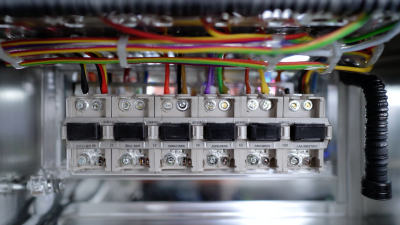
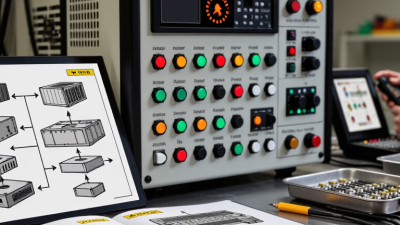
Choosing a reliable sic e10 manual matters when buyers need clear setup, operation, and maintenance guidance. The title “7 Best SIC E10 Manual Guides for Global Buyers” points to a practical challenge: guides can differ in detail, format, and revision date. A useful manual should identify the equipment clearly, explain its controls, and show maintenance steps with readable diagrams. Small details matter. A label beside a connector can prevent confusion during installation.

For international buyers, language and regional specifications deserve careful review. Check that the document matches the exact model and equipment configuration, rather than relying on a similar product name. Confirm the publication date, revision number, units of measurement, and stated operating conditions. If any value or instruction conflicts with the equipment label, ask the manufacturer or authorized supplier to clarify it. That check is worth the extra time.

This guide compares seven manual options by practical features, including coverage, navigation, and access to troubleshooting information. It does not assume that one document suits every installation or user. Some guides may be easier to scan, while others may provide deeper technical detail. Neither is automatically better. Buyers should consider who will use the manual, what tasks they need to perform, and whether the instructions match the product in hand. Keep a little skepticism. Even a polished guide can leave questions unanswered, so confirm critical details before acting.

7 Best SIC E10 Manual Guides for Global Buyers

What the SIC E10 Manual Covers and Who Needs It

A useful SIC E10 manual explains how to identify the correct unit, prepare it for use, and understand its controls. It should describe the operating steps, warning labels, routine care, and common fault checks.

Clear diagrams matter. A small connector or indicator can be easy to mistake when viewed quickly. Look for model references and revision dates before relying on a downloaded copy; similar names do not guarantee identical instructions.

The manual is useful to owners, installers, service staff, and buyers comparing documentation before purchase. Global readers should check whether measurements use metric or imperial units and whether translated terms match the labels on the equipment.

Keep the guide nearby during setup, and note any inspection or maintenance intervals it specifies. If a fault is unclear, stop and consult a qualified technician rather than guessing from a diagram.

Manuals can be awkward, too; some diagrams may be smaller than expected, so checking the text alongside them is a sensible habit. A guide supports careful work, but it cannot replace training or a model-specific check.

Key Specifications and Compatibility Details to Check

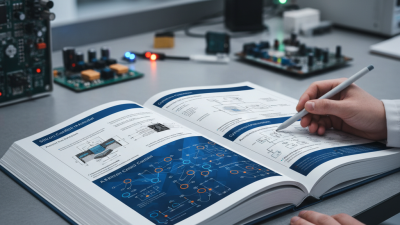
A useful SIC E10 manual should identify the exact model revision, rated input, connection type, dimensions, and operating limits. Do not assume that two units with similar names share the same specifications. Check diagrams against the device’s rating plate, then confirm connector pinouts and required accessories. Small mismatch, big delay.

Compatibility deserves a close read. IEC 60038 gives 230 V and 400 V as standard nominal system voltages in many electrical applications, but that does not confirm an E10 unit supports either input. Verify its stated voltage, frequency, phase, and tolerances. For installations exposed to dust or moisture, compare the manual’s enclosure rating with IEC 60529 ingress-protection definitions. Also check language, revision date, safety symbols, and whether setup steps match the supplied hardware. A manual can be clear and still be outdated.

Tips: Request the full specification table before purchase. Photograph the rating plate and connector, then compare both with the manual’s drawings. If a value is missing, ask the supplier to confirm it in writing. Manuals sometimes leave gaps; treat those as questions, not assumptions.

7 Best SIC E10 Manual Guides for Global Buyers — Key Specifications and Compatibility Details to Check

Identification note: “SIC E10” alone does not uniquely establish a product type or its specifications. Use these guide categories to evaluate documentation, and confirm every rating against the exact model’s nameplate and manufacturer-issued manual before purchase or installation.

Guide What it should cover Key specification fields to verify Compatibility details to check
1. Model Identification and Manual-Version Guide How to identify the exact product variant and find the matching document revision. Full model code, serial or production range, document number, revision date, and listed accessories. Confirm that the manual applies to the complete model code and production range—not just to an “E10” designation or a visually similar unit.
2. Electrical Supply and Wiring Guide Supply requirements, connection diagrams, protective devices, and safe isolation procedures. Rated voltage, AC or DC input, frequency where applicable, rated current or power, terminal markings, and required protection. Compare the nameplate ratings with the local supply. Check whether the equipment supports the local voltage and, for AC equipment, the local frequency; do not assume a plug adapter changes electrical compatibility.
3. Mechanical Fit and Mounting Guide Installation dimensions, mounting points, clearances, orientation, and connection interfaces. Overall dimensions, mounting-hole pattern, mass, connector or port type, and required service clearance. Measure the installation space and verify that mounting and mating interfaces match the intended equipment. Do not infer dimensions from a product photo.
4. Operating Environment and Ingress-Protection Guide Permitted environmental conditions and the meaning and limits of any enclosure protection rating. Operating and storage temperature, humidity limits, altitude limits if specified, and the stated IP code. Match the documented environmental limits to the installation site. An IP rating classifies protection against access, solid objects, and water under defined tests; it does not by itself establish chemical, corrosion, or outdoor suitability.
5. Interface and System-Integration Guide Input/output connections, communications, control signals, and integration requirements. Interface type, connector pinout, signal levels, communication protocol and version, and supported operating modes. Check both ends of every connection, including pin assignments and protocol settings. A matching connector shape alone does not prove electrical or communications compatibility.
6. Safety, Compliance, and Regional-Use Guide Hazards, grounding or bonding instructions, required warnings, and documented regional approvals. Safety symbols, protective-earth requirements where applicable, listed standards, approval markings, and any stated installation restrictions. Verify that the documentation and product markings meet the rules applicable in the destination market. Do not treat a marking or approval for one region as proof of approval in another.
7. Troubleshooting, Maintenance, and Parts Guide Diagnostic steps, maintenance intervals, replaceable parts, and safe service procedures. Error-code definitions, inspection intervals, approved replacement-part identifiers, consumables, and service precautions. Use parts and procedures specified for the exact model variant. Check availability of required consumables and service support in the destination country before ordering.

Seven SIC E10 Manual Guides Compared by Coverage

Seven SIC E10 manual guides can look similar at first glance, yet their coverage differs sharply. A quick-start guide may explain controls and basic setup, while a full operating manual adds procedures, diagrams, and routine checks. That matters. Buyers should check whether each guide identifies parts clearly and explains steps in plain language.


A useful comparison also tests maintenance and troubleshooting coverage. Some guides describe common warning signals; others offer only brief fault lists. Details count. Look for inspection intervals, cleaning instructions, and specific actions for symptoms such as an unclear display or a loose connection. Safety notes should sit beside the relevant task, not hide in a distant section. For global buyers, language options, metric units, and legible diagrams can make everyday use easier. Yet translation quality is not always obvious from a product page. Read a sample page, if available. No single guide covers every need, and a longer manual is not automatically more useful. Compare the seven guides against the tasks you expect to perform, then note any missing steps before relying on one.

How Global Buyers Can Verify Sources and Editions

7 Best SIC E10 Manual Guides for Global Buyers

How Global Buyers Can Verify Sources and Editions

For any SIC E10 guide, verify the document before comparing prices. Match its full title, document code, edition or revision, publication date, and language against a reliable catalog or issuing organization’s record. A matching cover proves little. Check the contents page, page count, diagram labels, and revision history too. Small mismatches matter.

If the guide has an ISBN, confirm that its metadata matches the edition offered; ISO 2108 defines the ISBN system for identifying specific book editions and formats. For digital files, ask for the file type, revision date, and a clear sample page. A seller’s explanation should be specific, not merely “latest edition.” Keep the invoice and listing details. They can help resolve disputes.

Source checks are practical, not proof of perfection. The OECD and EUIPO’s 2021 report estimated that counterfeit and pirated goods represented up to 2.5% of world trade in 2019, worth about USD 464 billion. That estimate covers goods broadly, not manuals specifically, so it cannot establish whether a particular guide is genuine. Ask for traceable documentation, then compare it with an independent catalog. I would still leave room for doubt: catalog records can lag behind revisions.

Choosing and Using the Right SIC E10 Manual Guide

Choosing the right SIC E10 manual guide starts with matching it to the exact unit and configuration you own. Check the model label, revision number, and publication date before relying on diagrams or setup steps. Small differences matter. A connector shown on one version may not appear on another. Prefer a guide with clear illustrations, labeled controls, and a contents page that makes setup and maintenance easy to find. If the guide lists measurements, confirm whether it uses metric or imperial units; conversions can cause avoidable errors.

A useful guide should explain normal operation, routine checks, warning indicators, and safe shutdown in plain language. Keep it nearby during setup, and compare each instruction with the actual controls rather than guessing. Good manuals also separate user maintenance from tasks requiring a qualified technician. For global buyers, readable language and consistent terms are more valuable than a thick document with vague translations. Check that troubleshooting steps identify symptoms and offer safe, specific checks. If a step conflicts with the unit or seems unclear, pause and seek a verified, current copy. Manuals are not perfect, and even a detailed guide can leave a question unanswered.

7 Best SIC E10 Manual Guides for Global Buyers — Choosing and Using the Right SIC E10 Manual Guide

This reference chart converts bar to pounds per square inch (psi) using 1 bar = 14.5038 psi. It illustrates how to interpret units in a manual; these are conversion examples, not SIC E10 operating specifications. Always follow the specifications in the correct manual for your equipment.

+1 450 449 9133
Contact us sale@rhythmachine.com