How to Choose the Best Voltage Protector for Your Needs?

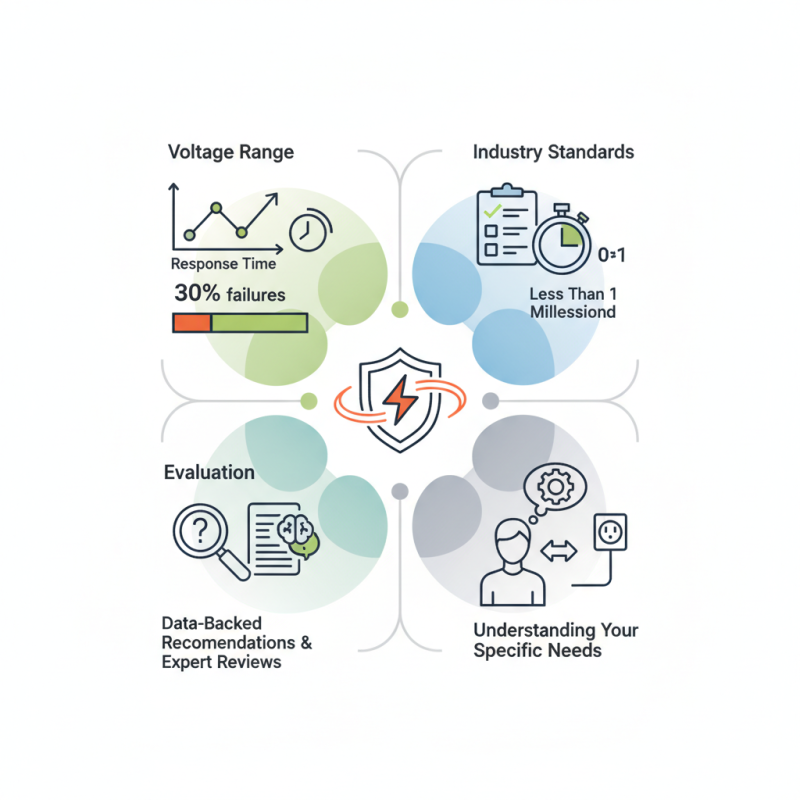
In today's technology-driven world, electrical equipment is more vulnerable than ever. Voltage fluctuations can cause serious damage to appliances and machinery. A reliable Voltage Protector can mitigate these risks. Reports indicate that voltage-related failures account for nearly 30% of electrical equipment malfunctions. This statistic underscores the importance of choosing the right protector for your specific needs.

Selecting the proper Voltage Protector involves understanding various factors. For instance, pay attention to voltage range and response time. Some protectors respond too slowly, allowing harmful surges to penetrate. According to industry standards, an ideal protector should respond in less than one millisecond. This detail can significantly impact equipment longevity and reliability.

However, not all products on the market meet these standards. Many options claim to provide full protection, but their effectiveness often lacks verification. Consumers may find themselves overwhelmed by choices. Knowing how to evaluate these products is crucial. Relying on data-backed recommendations and expert reviews can be invaluable in making an informed decision. Understanding your specific requirements will guide you in finding the best Voltage Protector for your needs.
How to Choose the Best Voltage Protector for Your Needs?

Understanding Voltage Protectors and Their Importance

Understanding voltage protectors is essential for safeguarding electronic devices and home appliances. These devices act as a buffer against power surges and fluctuations. According to the National Electrical Manufacturers Association, power surges cause nearly $1 billion in damages annually. A good voltage protector can prevent this damage effectively.

Voltage protectors work by monitoring the incoming voltage and disconnecting the supply when harmful levels are detected. Their importance cannot be overstated. For instance, devices that do not have sufficient voltage protection may experience reduced lifespan or even complete failure. An estimated 65% of electronic device failures stem from voltage issues. This statistic highlights the critical role protectors play in extending the life of your appliances.

Choosing the right model can be challenging. Users often overlook specifications like response time and maximum voltage capacity. A protector with a slow response time may not react promptly enough to prevent damage. Additionally, many consumers underestimate the need for regular tests and replacements. Regular maintenance can significantly enhance performance. A poorly maintained protector can become ineffective, leading to potential risks and damages. Identifying reliable voltage protection starts with understanding these fundamental factors.

Key Factors to Consider When Choosing a Voltage Protector

When selecting a voltage protector, understanding your specific needs is paramount. Voltage protectors come in various types, each suited for different applications. Consider the environment where the device will be used. Are you protecting sensitive electronics in a home office or large industrial machines? This distinction will affect your choice.

Another crucial factor is the voltage range. Make sure the protector you choose can handle the maximum voltage of your appliances. A unit that isn't rated high enough can fail during a surge. Look for features like surge protection and overvoltage cutoff. These elements enhance reliability and ensure the safety of your devices.

It’s essential to evaluate the product's certifications and user reviews. Look for protectors that meet industry standards and have a reputable track record. Personal experiences shared by users can provide insights into reliability and functionality. Remember, making an informed decision often involves sorting through both positive and negative feedback. This reflection will guide you toward a more suitable choice for your protection needs.

How to Choose the Best Voltage Protector for Your Needs? - Key Factors to Consider When Choosing a Voltage Protector

Feature Description Importance
Voltage Rating The maximum voltage the protector can handle. High
Surge Protection Amount of surge voltage it can absorb. High
Response Time Time taken to react to a surge. Medium
Indicators LED indicators for operational status. Medium
Mounting Options Wall-mounted or portable configurations. Low
Warranty Manufacturer's warranty period. Medium
Price Cost-effectiveness based on features. High

Types of Voltage Protectors: Pros and Cons

When it comes to voltage protectors, understanding the types available is key to making an informed decision. Surge protectors are popular for preventing voltage spikes. They can safeguard sensitive electronics. According to a report by the Electrical Safety Foundation International, power surges can damage appliances worth billions globally each year. Their easy installation is a plus, but they may not handle sustained over-voltage situations.

Another option is voltage regulators. These devices maintain a stable voltage level. They are crucial for equipment that requires consistent performance. Studies suggest that fluctuations in voltage can lead to reduced lifespan for electrical devices. However, they often have higher initial costs and require maintenance. Some users find them complex to install.

Finally, uninterruptible power supplies (UPS) provide backup power during outages. They ensure data protection during unexpected blackouts. While invaluable for sensitive environments, they can be bulky and costly. Balancing these pros and cons is essential for selecting the right voltage protector suited to your specific needs. Making the wrong choice can lead to unexpected expenses and equipment failure.

Voltage Protector Types Comparison

Assessing Your Electrical Needs for Proper Voltage Protection

Assessing your electrical needs is crucial for selecting the right voltage protector. Start by analyzing the devices you use most often. High-powered equipment like refrigerators, computers, and air conditioners may require specific protection standards. Understanding how much electricity these devices consume can guide your choice. Using a wattmeter can provide valuable insight into their power usage.

Consider the environment where the voltage protector will be installed. If it’s in an area prone to power surges or fluctuations, a more robust protector is necessary. For example, if you live in a region with frequent storms, a protector with advanced surge protection features is worthwhile. Reflect on your current setup and past issues. Have you experienced frequent outages or equipment failures? These past experiences can inform your needs.

Don’t overlook the voltage rating of the protector. It should match or exceed your home’s typical voltage levels. Otherwise, it may not provide adequate protection. While it’s tempting to choose cheaper options, low-quality protectors can lead to further issues. Aim for reliability over cost. Quality protectors often come with better warranties, suggesting trust in their durability. Focus on what will truly protect your valuable electronics in the long run.

Installation and Maintenance Tips for Voltage Protectors

When considering voltage protectors, proper installation and maintenance are pivotal. Voltage fluctuations can cause significant damage to appliances and electronics. According to industry data, surges lead to over $1 billion in property damage annually in the U.S. alone. Thus, understanding how to install and maintain your voltage protector is critical.

Installing the voltage protector requires careful attention. Ensure the unit is placed away from moisture and direct sunlight. Connect the protector to a grounded outlet, as grounding is essential for effective operation. Regularly check the indicator lights for functionality. If they are not illuminated, this indicates a need for maintenance or replacement.

Maintenance tips include routine inspections. Periodically inspect the wiring and connections for wear. Dust accumulation can also affect performance; clean the unit carefully to ensure optimal functioning. Knowing when to replace the unit is vital—experts recommend replacing voltage protectors every three to five years. Keeping a maintenance log can help track performance and potential issues, ensuring reliability in protecting your valuable electronics.

+1 450 449 9133
Contact us sale@rhythmachine.com