Why Choose a Scratch Marking Machine for Your Business Needs?

In today’s competitive market, the right machinery can set your business apart. The "machine de marquage par rayage" offers unique benefits that enhance production efficiency. According to a report by MarketsandMarkets, the global marking machine industry is projected to reach USD 5.9 billion by 2027, growing at a CAGR of 5.6%. This growth highlights the increasing demand for precise and reliable marking solutions across several sectors.

Investing in a scratch marking machine can significantly streamline your operations. These machines ensure consistent quality and accuracy, crucial for high-volume production environments. Yet, it's important to recognize that not all machines are created equal. Evaluating machine specifications, manufacturers, and long-term support options is key to making a wise investment. Failing to conduct thorough research may lead to purchasing subpar equipment that hampers productivity.

Choosing the right machine de marquage par rayage is about more than just cost. It's about enhancing brand image and ensuring compliance with industry standards. While the benefits are clear, businesses must carefully consider their specific needs and the potential pitfalls of inadequate technology. Balancing these factors can lead to long-term success.
Why Choose a Scratch Marking Machine for Your Business Needs?

Understanding Scratch Marking Machines and Their Applications

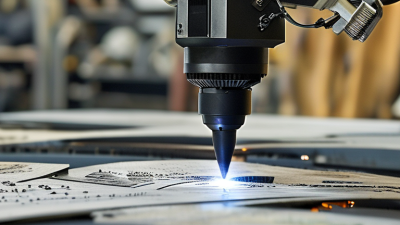
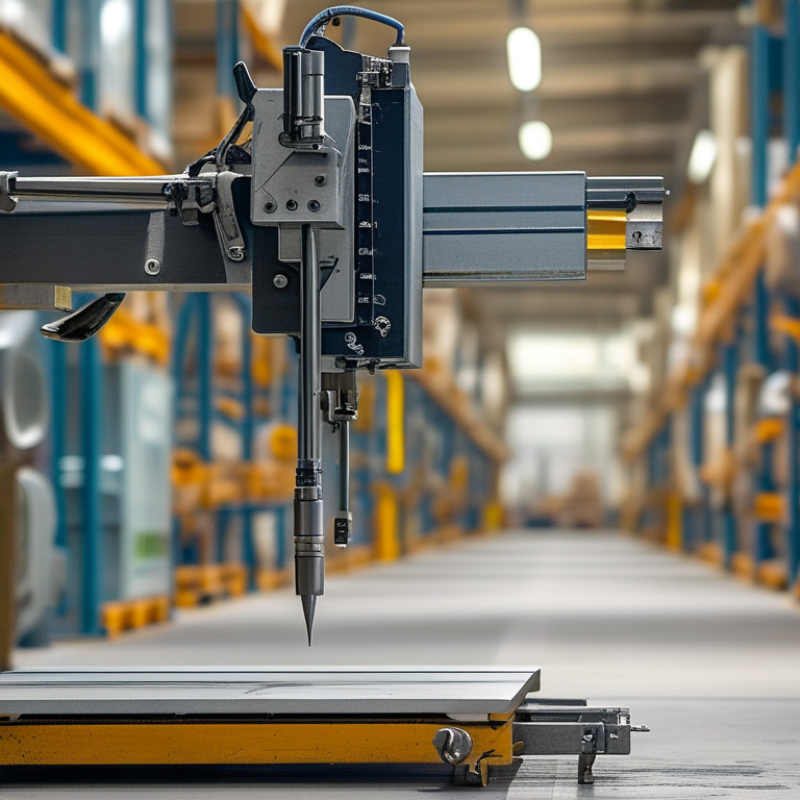
Scratch marking machines play a significant role in various industries. These devices create precise marks on different materials, like metal, plastic, and wood. The process involves using a hard tip to scratch into the surface, which ensures strong adhesion. The marking is durable and can withstand harsh conditions. This is especially important for product identification and quality assurance.

Industries such as manufacturing, automotive, and aerospace benefit greatly from these machines. For instance, components in aviation require clear identification for safety. A well-marked part is easier to track through supply chains. Furthermore, scratch marking is efficient and cost-effective. Businesses often struggle with marking methods that fade; scratch marking reduces this risk.

However, not all applications suit every business. Companies need to evaluate their specific marking requirements before investing. Some materials might resist proper scratching. Additionally, staff training is crucial to ensure effective use of these machines. Inadequate training could result in inconsistent marks. Hence, it's vital to weigh both benefits and challenges when considering scratch marking machines.
Key Benefits of Using Scratch Marking Machines in Business

Scratch marking machines offer significant advantages for modern businesses. They provide precision and quality in marking materials, which can lead to enhanced production efficiency. According to a report by MarketsandMarkets, the global laser marking market size is expected to reach USD 5.5 billion by 2024, reflecting a growing demand for high-quality marking solutions. Businesses that adopt these technologies often see a reduction in operational costs and errors.

Investing in scratch marking machines can improve product traceability. This is crucial in sectors like manufacturing and healthcare, where clear markings can prevent costly mistakes. For instance, scratch marking ensures that products meet regulatory standards and enhance consumer trust. Companies reported a 20% decrease in compliance issues after integrating these systems into their processes. It’s about ensuring every detail is accurately represented on the product.

Engaging with scratch marking technology isn’t without its challenges. The initial investment can be substantial. However, the long-term benefits often outweigh these costs as businesses witness increased productivity. Consider assessing the specific needs of your company. Testing different machines might help determine the best fit. Always remember, the right marking solution should align with your business goals.

Factors to Consider When Choosing a Scratch Marking Machine

When selecting a scratch marking machine, several critical factors come into play. The machine's speed is a key consideration. A report from MarketsandMarkets indicates that companies using faster marking solutions can increase productivity by up to 30%. An efficient machine should balance speed with precision to avoid costly errors.

Another important factor is material compatibility. Different materials respond uniquely to marking techniques. For example, metals typically require more robust machines than plastics. It is essential to understand the typical substrates your business handles. The wrong choice could lead to increased operational costs or poor-quality results.

Maintenance should also not be overlooked. Regular servicing can prolong your machine's life and maintain marking quality. Neglecting maintenance may result in downtime, affecting your output. Always choose a model that offers easy access to components for routine checks.

Check user feedback before purchasing. Reviews can reveal common issues and help identify machines to avoid. Engaging with existing users offers insights that data alone may not cover. Potential buyers should approach the process with careful research, ensuring the chosen machine aligns well with their specific requirements.

Comparing Scratch Marking Machines with Other Marking Techniques

When evaluating different marking techniques, scratch marking machines stand out for their unique offerings. They create lasting impressions by engraving directly onto surfaces. Traditional methods like ink or laser marking have their limitations. Ink may fade or smudge, while laser marking can be costly and complex. Scratch marking offers durability and clarity, making it suitable for a variety of industries.

These machines are straightforward to use. Operators can quickly learn how to implement them effectively. Scratch marking is also flexible, allowing for customization in designs and texts. However, not every surface is ideal for scratch marking. Some materials may be too hard or too soft, which can affect the quality. It’s essential to test the equipment on varied materials first.

While scratch marking machines provide clear benefits, businesses must be mindful of their specific needs. They might not be suitable for all applications. It’s crucial to evaluate whether the benefits outweigh potential drawbacks. Companies should consider their products, operational processes, and desired outcomes before making a decision. This reflective approach can help ensure the right choice.

Maintenance and Best Practices for Scratch Marking Machines

Maintaining a scratch marking machine requires consistent attention to detail. Regular cleaning is essential. Dust and debris can affect precision. Operators should wipe down surfaces after each use. This simple task helps enhance the machine's longevity. Ensure all components are free from buildup. A clean environment promotes optimal performance.

Checking the calibration regularly is vital. Machines can drift from their settings over time. It is wise to test the accuracy periodically. Operators can perform these tests with simple materials like calibration blocks. Keeping the machine's software updated also helps prevent unexpected issues. Staying informed about the latest advancements fosters reliability.

Operators should monitor wear and tear on components. It's natural for parts to wear out after prolonged use. Identify signs of excessive wear early to avoid major problems. Replacing components before total failure can save time and resources. Lastly, proper training for operators is crucial. Well-trained staff can spot issues quickly. This proactive approach ensures machines run smoothly and efficiently.

Scratch Marking Machine Performance Metrics

+1 450 449 9133
Contact us sale@rhythmachine.com