How to Choose a Super Bright LED Light Bar in 2026?

Choosing a Super Bright LED Light Bar in 2026 takes more than comparing advertised lumens. A bar can look powerful on a product page yet leave dark patches beyond the driveway or trail. Check beam pattern, usable distance, mounting position, heat control, and weather resistance. Numbers matter. So does where the light lands.

The U.S. Department of Energy’s 2019 Energy Savings Forecast of Solid-State Lighting projected that LED adoption in general lighting could save about 569 terawatt-hours annually by 2035, compared with its baseline. That is a broad lighting estimate, not a performance rating for vehicle light bars. For a bar, compare documented output and beam measurements instead of treating wattage as brightness. John Bullough, director of the Lighting Research Center at Rensselaer Polytechnic Institute, has researched vehicle lighting and visibility. A useful paraphrase of that work—not a verbatim quotation—is: “Brightness alone does not guarantee better seeing.”

Look for clear test conditions, a published beam pattern, and realistic details about installation and thermal performance. A wide flood beam may suit slow work near a vehicle; a focused spot beam can reach farther but illuminate less to the sides. Not just watts. Ask whether the manufacturer explains how its figures were measured. A glossy specification sheet may still leave important questions unanswered. This guide will help you compare options carefully, spot unsupported claims, and choose a Super Bright LED Light Bar that fits your actual driving or work conditions.
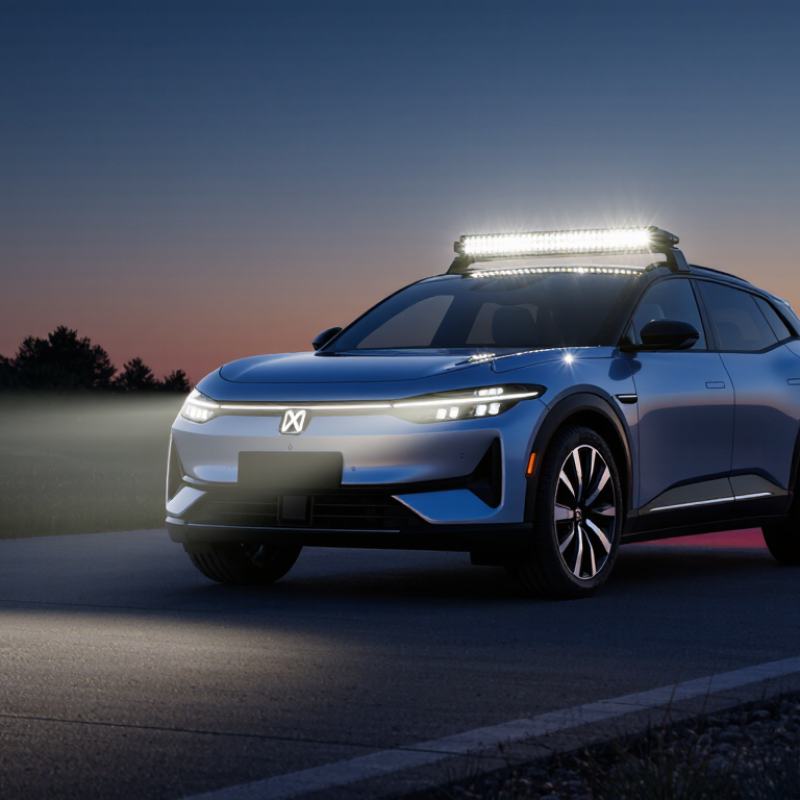
How to Choose a Super Bright LED Light Bar in 2026?

Understand Brightness Ratings and Real-World Light Output

A super-bright light bar can look impressive on a box, but a high lumen figure alone cannot tell you what the road will look like. Lumens measure total visible light, not how far or evenly it travels. A narrow beam may create a bright spot while leaving the roadside dark. Check for independent photometric results, including measured lumens, beam pattern, and lux at stated distances.

The U.S. Department of Energy’s 2022 Solid-State Lighting R&D Opportunities report discusses 200-lumen-per-watt-class efficacy as a research target. That figure describes LED performance potential, not the verified output of a complete light bar. Heat, optics, wiring, and driver losses can all reduce finished-product output. Numbers need context. Look for measurements of the assembled fixture, rather than theoretical chip output.

The IES LM-79 standard specifies measurements of solid-state lighting products’ electrical and photometric performance. A credible report should identify the test method and show how light is distributed, not just list a peak lumen claim. Compare beam patterns at the same distance; a garage wall can reveal dark gaps, but it is not a substitute for laboratory testing. I would also check whether output is reported when the bar is hot, since an initially bright beam may fade as components warm. Real use is messier.

Match Beam Pattern and Color Temperature to Your Use

A super-bright bar is only useful when its beam reaches the right place. A narrow spot beam throws light farther down an open track, while a flood beam spreads it across nearby ground, ditches, and work areas. For mixed use, a combination beam can help, though its bright center may leave less obvious gaps at the edges. Check the beam on a dark, safe test area; a driveway wall won’t show its full reach.

Color temperature affects comfort, not just appearance. The CIE 191:2010 technical report places mesopic vision between 0.005 and 5 cd/m², a range relevant to dim night scenes. In these conditions, people’s visual response shifts with light level, so a cooler-looking beam may seem crisp without revealing every hazard better. In rain, dust, or mist, scattered light can wash out contrast. I wouldn’t chase the whitest beam.

Start near 4,000–5,000 K if you want a more neutral tone, then compare it with warmer light in the conditions you actually face. Look for useful shoulder coverage, controlled glare, and clear object edges—not the biggest lumen figure alone. Test from the driver’s seat. Small details matter. A beam that feels impressive in a product photo can be tiring on a long, wet road.

How to Choose a Super Bright LED Light Bar in 2026?

Match Beam Pattern and Color Temperature to Your Use

These ranges are practical starting points, not a universal standard. A wide flood beam suits close work and broad area lighting; a spot beam concentrates light farther ahead; a combo beam balances reach and width. Lower color temperatures can appear less harsh in haze or dust, while higher temperatures often look crisper in clear conditions. Check local road-use regulations before fitting an auxiliary light.

Choose the Right Size, Mounting Style, and Power Needs

A super bright light bar should fit the vehicle before it fills the roofline. Measure the usable mounting space, including brackets, cable exits, and hood clearance. A short bar can suit a bumper; a longer one may spread light farther across a wide trail. Fit matters more. Choose a mounting style that keeps the beam level and limits vibration. Roof mounts can improve reach, while bumper mounts may be easier to access. Check the bar’s weight and mounting points against the vehicle’s approved load limits. A wider bar is not automatically better if its beam misses the area you need.

Match power to the vehicle’s electrical system, not just the advertised lumen figure. For example, a 120-watt bar draws about 10 amps at 12 volts, before accounting for voltage variation and wiring losses. Follow the maker’s current and fuse specifications, and use a relay when the installation instructions require one. The U.S. Department of Energy’s 2022 Solid-State Lighting R&D Opportunities report discusses LED package efficacy above 200 lumens per watt in controlled conditions. That figure describes LED packages, not a complete light bar; optics, heat, and drivers reduce real-world output. Heat matters, too. Compare measured system output and beam pattern where available, and treat headline lumen claims cautiously. One imperfect shortcut is choosing by wattage alone: it can miss glare, poor aiming, and wasted light.

Check Durability, Safety Certifications, and Vehicle Compatibility

Choosing a super bright LED light bar in 2026 starts with durability and fit, not headline lumen claims. Check the housing for solid seals, corrosion-resistant materials, and a stated vibration rating. Water and dust protection ratings can help, but they do not guarantee survival after poor installation. Inspect the mounting brackets, too. Thin brackets may loosen on rough roads.

Safety certifications deserve careful checking. Look for a recognized certification mark and verify the exact model in the certifier’s records, where available. A logo alone is not proof. Check the installation guide for voltage, current draw, fuse size, and wiring instructions. Compare these with your vehicle’s electrical capacity. Also measure the available mounting space and confirm the bar will not block sensors, airflow, or the driver’s view. Fit matters. Not just brightness. A wide beam may suit a work area, while a focused beam can reach farther; neither is automatically best for every vehicle or use.

Tips: Measure twice before ordering, including bracket clearance. After installation, check that the bar stays secure and wiring remains cool during use. A premium-looking finish can still disappoint, so read the specifications closely and leave room for doubt.

How to Choose a Super Bright LED Light Bar in 2026? — Check Durability, Safety Certifications, and Vehicle Compatibility

Selection Factor What to Check Practical Evaluation Priority
Real Light Output Look for tested output figures and clear measurement methods. Distinguish theoretical LED lumens from measured fixture lumens. Compare lights using the same test method, and consider beam intensity and useful distance—not a “super bright” label alone. High
Beam Pattern Check whether the bar provides a spot, flood, or combination pattern. A spot pattern concentrates light farther ahead; a flood pattern spreads light over a wider area. Choose based on the intended driving environment and avoid glare to other road users. High
Ingress Protection Check the stated IP rating and the test standard used, such as IEC 60529. IP67 indicates dust-tight protection and resistance to temporary immersion under the specified test conditions. For IP68, confirm the manufacturer’s stated immersion conditions. High
Construction and Durability Review the housing material, lens material, seals, corrosion protection, and heat-management design. Look for documented vibration, shock, water-ingress, and temperature testing. A metal housing alone does not establish durability. High
Safety and Regulatory Markings Check for documentation relevant to the destination market and the light’s intended function. For road use, verify applicable local lighting rules and any required approval or marking. SAE or UN/ECE references apply to specific lamp functions and regulations; do not assume a marking makes every installation road-legal. High
Vehicle Voltage and Electrical Load Confirm the light bar’s operating-voltage range and current draw against the vehicle’s electrical system. Estimate current using amps = watts ÷ volts, then follow the maker’s wiring instructions for fuse, relay, wire gauge, and grounding. Do not connect a high-load bar directly to an unsuitable factory circuit. High
Vehicle Fitment and Mounting Measure the available mounting width, height, clearance, and mounting-point spacing. Check grille, bumper, roof, or bracket clearance; account for hood opening, airflow, and any obstruction of sensors, cameras, or the driver’s view. High
Wiring and Controls Check whether the required harness, relay, fuse, switch, and connectors are included or specified. Confirm that the control method suits the vehicle and that wiring can be routed away from heat, sharp edges, and moving parts. Medium
Installation and Aiming Review the installation instructions and the adjustment range of the mounting brackets. Secure the bar to a suitable structural mounting point and aim it according to applicable local requirements to limit glare and maintain useful illumination. High
Documentation and Warranty Look for a specification sheet, installation guide, test details, and written warranty terms. Prefer verifiable technical information over unsupported claims about brightness, waterproofing, or road approval. Medium

Selection tip: Match the light bar to the vehicle, intended use, and local regulations first; compare brightness only among products with clearly stated and comparable test data.

Compare Beam Performance, Warranty, and Long-Term Value

A super-bright rating cannot tell you where the light lands. Compare beam shape, usable distance, and measured lux at set distances, not lumens alone. A narrow spot may reach farther, while a broad flood helps reveal nearby obstacles. Check for a sharp cutoff and distracting glare on reflective signs. Numbers can mislead. The U.S. Department of Energy’s report, LED Luminaire Lifetime: Recommendations for Testing and Reporting, describes LM-80 testing of LED-package output over at least 6,000 hours and TM-21 projections of lumen maintenance. These tests concern LED components, not the complete light bar, so they cannot prove the housing, seals, or wiring will last equally long.

Warranty details often reveal more than a headline claim. Check the coverage period, water-ingress and corrosion exclusions, and whether replacement parts are available. SAE J575 outlines environmental tests for vehicle lighting devices, including vibration, moisture, dust, and corrosion; look for clear test evidence rather than vague “rugged” language. For long-term value, compare the installed price with credible durability evidence, beam performance, and warranty support. A lower upfront cost may be sensible, but only if the bar holds alignment and output after rough roads and wet weather. I would still treat projected LED life cautiously: real-world heat, vibration, and installation quality can change the result.

+1 450 449 9133
Contact us sale@rhythmachine.com