How to Choose the Best Amplifier Audio Board for Your Needs?

Choosing the right Amplifier Audio Board can significantly enhance your audio experience. The perfect board complements your sound system, boosting the overall sound quality. However, with numerous options available, making the best choice can be challenging.

Understanding your specific needs is the first step. Different audio boards cater to varied applications, from home theaters to professional studios. You may prioritize factors like power output, audio fidelity, or connectivity options. Each specification affects performance and usability.

It's equally vital to research reputable brands and read customer reviews. These insights can guide you toward reliable options. Don't overlook the importance of compatibility with your existing equipment. A careful evaluation of your requirements will lead you to the ideal Amplifier Audio Board tailored to your preferences.
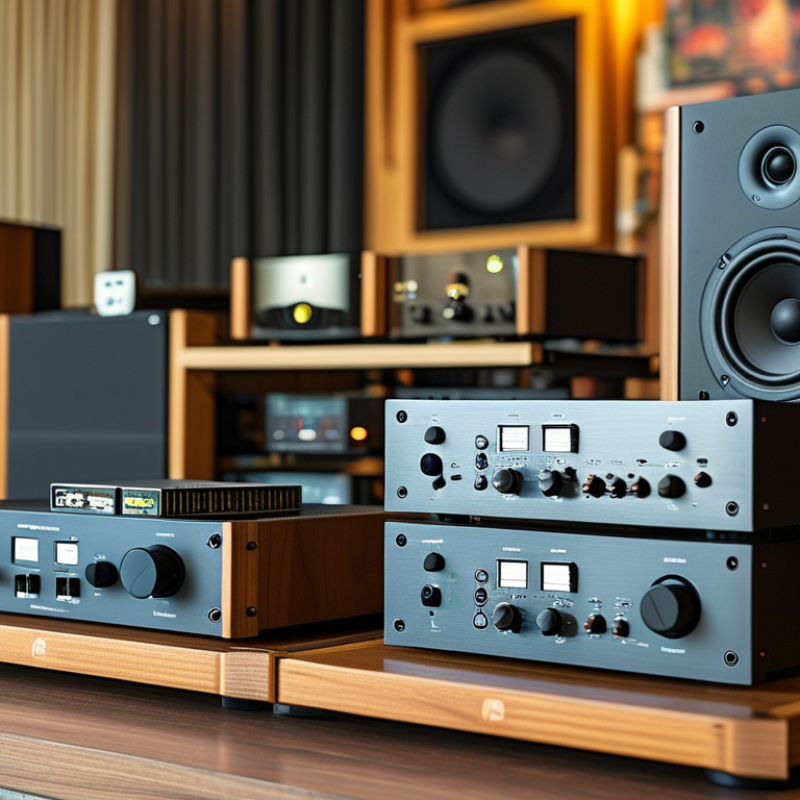
How to Choose the Best Amplifier Audio Board for Your Needs?

Understanding Amplifier Audio Boards: Basics and Functions

Amplifier audio boards play a crucial role in sound systems, influencing the quality of audio output. Understanding their basics is essential for making informed choices. An amplifier increases the power of audio signals, allowing speakers to produce sound at higher volumes without distortion. Various factors come into play, including wattage, impedance, and the type of amplification—Class A, Class D, etc. Each type has its strengths, such as energy efficiency or sound fidelity.

When selecting an audio board, users should consider their specific needs. Do you need high fidelity for musical performance or just sufficient volume for casual listening? Not all amplifiers achieve the same sound profile. Hearing various sonic qualities can lead to better personal choices. Many users often overlook the importance of matching impedance levels between the amplifier and speakers for optimal performance.

It’s vital to recognize that not every option provides the desired results. Testing multiple boards in different environments can reveal shortcomings. Users may find that what works in one setup fails in another. Practical experience reveals that listening preferences also vary widely, further complicating the choice. Therefore, stay open to exploring different configurations and setups to discover what best suits your audio journey.

Identifying Your Audio Needs: Types of Amplifiers Explained

When selecting an amplifier audio board, understanding your audio needs is crucial. Several amplifier types exist, each with distinct features. For instance, Class A amplifiers are known for their audio fidelity, but they are power-hungry. Reports indicate that they consume up to 30% more energy than Class D amplifiers, which provide energy efficiency and compact size but might sacrifice some audio quality.

Class AB amplifiers offer a balance between Class A and Class D, making them popular among audiophiles. However, they can introduce distortion at higher volumes. According to a recent industry survey, 45% of audio enthusiasts prefer Class AB for its blend of performance and quality. This choice reflects a common dilemma: choosing between power and clarity. Understanding personal listening habits can help narrow the options.

Exploring your requirements involves considering speaker compatibility and usage scenarios. If you plan to use the amplifier for home theater systems, look for models that support surround sound formats. Those seeking portability might prefer compact designs that don't compromise sound quality. Industry data reveal that enthusiasts often revisit their decisions due to unfavorable experiences, emphasizing the importance of thorough research. Evaluating real user feedback can guide you towards a more informed choice.

Amplifier Types and Power Ratings

This bar chart represents various types of amplifiers along with their power output ratings in watts. Understanding these differences can help you choose the best amplifier for your audio needs.

Key Features to Consider When Choosing an Amplifier Audio Board

When selecting an amplifier audio board, certain key features are crucial. Power output is one of the most significant factors. A higher wattage generally translates to more volume and better sound quality. Consider your speaker’s power rating too. Matching these ensures optimal performance.

Next, examine the board's compatibility with your existing audio equipment. Look for boards that support diverse input options. Whether you need Bluetooth or traditional wired connections, versatility is essential. Check the specifications to ensure seamless integration. Not all boards work with every device, so this is a critical point to evaluate.

Thermal management also matters. Amplifiers can generate heat during operation. Effective cooling systems prevent overheating and can extend the life of your equipment. It's easy to overlook this, but a well-designed heat dissipation feature can save you from future headaches. Additionally, pay attention to the build quality. A sturdy board will better resist physical stress and ensure longevity. These details might not seem urgent, but they impact performance over time.

Comparing Brands and Models: Research and Reviews

When comparing audio amplifier boards, thorough research is crucial. You want to look for models that offer exceptional sound quality and reliability. Start by examining user reviews and ratings online. Genuine reviews can provide insights into a product’s performance in real-world scenarios. Consider looking for comparisons that highlight differences in specifications, such as wattage and frequency response.

Evaluate various brands through expert articles. These often discuss the pros and cons of different models. They may mention user experiences that reveal common issues. However, not all reviews are equally reliable. Some may be biased due to sponsorship or personal preferences. Scrutinize sources to identify trustworthy information.

Don't overlook the importance of community feedback. Forums and social media groups can illuminate real user experiences. People often share setups and modifications. This can inspire your decision-making. Yet, remember that personal preferences differ. What works for one person might not suit another’s needs. Take your time to weigh all the information before making a choice.

Installation and Compatibility: Ensuring Optimal Performance

When selecting an amplifier audio board, installation and compatibility are key factors. A seamless integration with your existing audio system can significantly enhance sound quality. Understanding the specifications of your current setup is essential. Check the power requirements and input/output configuration. Matching these elements ensures that the new board will complement your audio source effectively.

Consider the physical space available for installation as well. Some boards are compact, while others may require more significant space. This can affect ventilation and overall performance. Take measurements before making decisions. Compatibility is not just about connections; it also involves electrical characteristics. Variance in voltage can lead to suboptimal performance, or worse, damage.

Getting it right the first time is admirable but not always achievable. Occasionally, users overlook minor details like grounding or shielding. These aspects are crucial for clear audio signals. It’s a good practice to consult forums or seek advice from professionals. Their experiences can highlight potential pitfalls and save you time. A thoughtful approach during installation can make a noticeable difference in your audio experience.

+1 450 449 9133
Contact us sale@rhythmachine.com