How to Choose the Right Shrink Wrap for Your Business?
Choosing the right Shrink Wrap for your business can significantly affect your packaging efficiency and product safety. According to a recent market report by Smithers Pira, the global shrink wrap market was valued at over $10 billion in 2022. This figure reflects the growing reliance on shrink wrap for product protection across diverse industries. Experts highlight that optimal material selection can improve operational costs and reduce waste.
Mark Johnson, a leading consultant in the shrink wrap industry, states, “Understanding your application needs is crucial for effective shrink wrap selection.” His advice emphasizes the need to align the material type with your product specifications. Factors like film strength, thickness, and type of sealing method can all influence your choice.
Yet, many businesses struggle with this decision. Without proper analysis, companies may invest in a shrink wrap solution that doesn’t meet their needs, leading to higher costs and damaged products. Poor choices can stem from a lack of knowledge about available options. Proper guidance and research into your specific requirements are essential to avoid these pitfalls.
Understanding the Different Types of Shrink Wrap Available
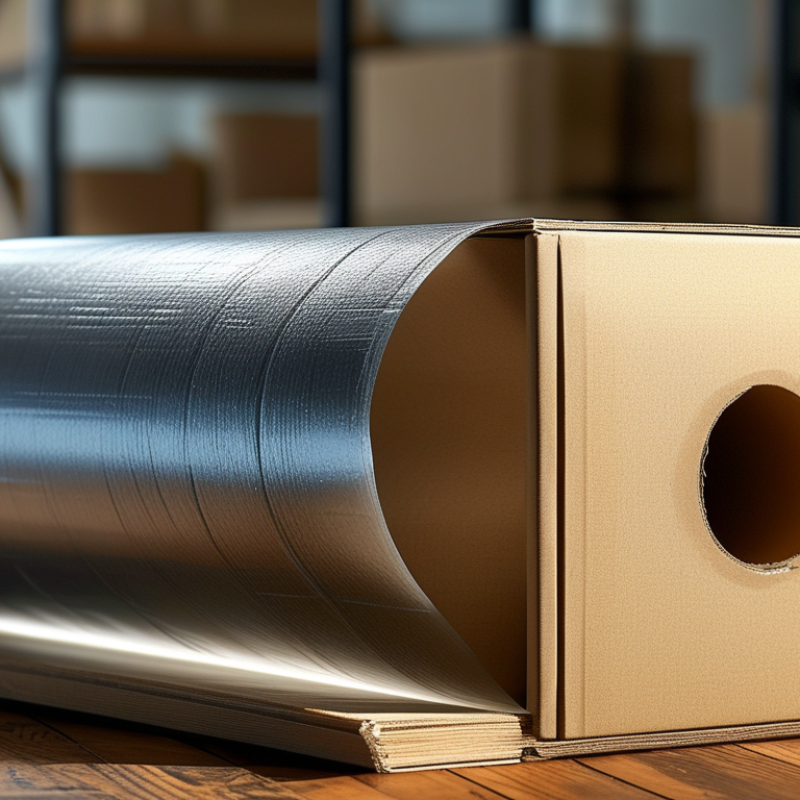
When selecting shrink wrap for your business, it's crucial to understand the types available. There are several varieties, each designed for specific applications. Typically, you will encounter polyolefin and PVC shrink wraps. Polyolefin is favored for its clarity and strength, making it ideal for retail packaging. On the other hand, PVC offers excellent barrier properties but can be less transparent.
Customizing shrink wrap is also possible. You can choose the thickness, size, and even print designs on the wrap. It’s important to consider the use case; for instance, food items require wraps that are safe for direct contact. Environmental impact is another factor. Some wraps are recyclable or made from sustainable materials, reflecting a growing demand for eco-friendly options.
However, not every type will suit your needs perfectly. Each option comes with trade-offs. Thicker films may hold up better but could increase costs. The wrong choice can lead to product damage or loss of appeal. Engaging with suppliers and asking for samples can guide you in evaluating these materials effectively. Trial and error often play a role in finding the right fit for your business's specific requirements.
Identifying the Specific Needs of Your Business for Shrink Wrap
Identifying the specific needs of your business for shrink wrap is essential. Different industries have distinct requirements. For example, the food industry often needs high-barrier materials to prevent spoilage. According to a 2022 industry report, around 45% of businesses in this sector prefer heat-shrinkable films for their durability and protection.
Your business may also deal with varying product shapes and sizes. Customization is crucial here. Shrink wraps can conform tightly to items, which reduces waste and enhances presentation. More than 30% of manufacturers reported that customizing shrink wrap increased consumer appeal. However, balancing customization with cost-effectiveness is often challenging.
It's important to assess environmental impact too. Many consumers now prefer sustainable packaging. A 2023 study found that 50% of businesses are exploring biodegradable shrink wraps as alternatives. This shift reflects consumer preferences and regulatory trends. Not every business will transition easily. The cost of sustainable materials can be higher, prompting reflection on budget constraints. Finding the right balance between sustainability and functionality can be complex, yet necessary for long-term success.
Evaluating the Cost-Effectiveness of Various Shrink Wrap Options
When choosing shrink wrap for your business, evaluating cost-effectiveness is crucial. Different types of shrink wrap materials offer varying benefits and drawbacks. Selecting the right option can impact both budget and efficiency. For instance, thinner wraps may save money upfront but could result in higher damage rates. This might lead to increased replacement costs over time.
To make an informed decision, assess your specific needs. Identify the items you need to wrap. This includes size, shape, and weight. Experimenting with sample materials can provide practical insights. Keep in mind that not all shrink wraps are created equal. Testing could highlight weaknesses in thinner films that might increase your overall costs.
Tip: Always analyze the long-term costs, not just the initial purchase price. Evaluate how much protection is needed. Sometimes, investing in a more robust film pays off through reduced damage rates. Maintain a record of past experiences to guide future purchases. Remember, selecting shrink wrap isn't just about price; it's about value and reliability.
Assessing Environmental Impact and Sustainability Considerations
When selecting shrink wrap for your business, sustainability is pivotal. The Shrink Film industry has seen a growing demand for eco-friendly options. Reports indicate that over 50% of consumers prefer sustainable packaging solutions. This consumer sentiment is pushing companies to consider the environmental impact of their choices.
Biodegradable shrink wraps are gaining traction. These materials can break down naturally without harming the ecosystem. However, the availability of such products varies. Many businesses still rely on traditional petroleum-based options, leading to increased plastic waste. The global plastic waste crisis continues to escalate. According to a 2022 report, over 300 million tons of plastic are produced each year, with a significant portion being single-use.
Businesses must assess the life cycle of their packaging materials. Understanding the sourcing, manufacturing, and disposal phases is essential. Some shrink wraps may offer convenience but lack in recyclability. A study indicates that only 9% of plastic waste is ever recycled. This presents a challenge for businesses committed to sustainability. By prioritizing eco-friendly materials, companies can make strides toward reducing their environmental footprint while catering to a more conscious consumer base.
Choosing the Right Equipment for Applying Shrink Wrap Efficiently
Choosing the right equipment for applying shrink wrap is crucial for maximizing efficiency. The type of shrink wrap machine you select can significantly influence your workflow. Manual machines are affordable and versatile, but they require more labor. For larger operations, consider semi-automatic or fully automatic machines. These can speed up the process, reducing the time spent on each package. However, the upfront costs are higher.
Think about the size of your products. A machine that accommodates various sizes may seem ideal, but it often lacks efficiency in a high-paced environment. Investing in specialized machines can enhance consistency and quality. Measure your workspace too. A large machine might not fit in a compact area, leading to logistical challenges.
Training staff on equipment use is vital. An overlooked aspect, training can make or break your productivity. Even user-friendly machines can create bottlenecks if employees are unsure how to operate them. Frequent errors can cause delays and waste, affecting your bottom line. Regular maintenance is also necessary to keep machines functioning optimally. Neglecting this can lead to unnecessary breakdowns and downtime.