How to Find the Best EVA Shoe Mould in China?

Finding the best EVA Shoe Mould in China requires more than comparing factory prices. The right mould must deliver stable dimensions, clean edges, balanced weight, and repeatable production. These details become visible when a shoe leaves the mould with uneven shrinkage or a weak heel. Small defects can create large losses.

I have reviewed EVA tooling projects where the first sample looked excellent, but later batches showed blocked vents and inconsistent expansion. That experience changed my evaluation method. I now examine cavity design, aluminum quality, steam-channel layout, surface treatment, and cooling performance. I also request production samples from different mould cycles. One sample is not enough.

According to footwear tooling specialist Michael Chen, “A reliable EVA mould is judged by repeatability, not by its polished appearance.” This principle deserves attention. A supplier may show attractive photographs, yet avoid discussing tolerance control, repair support, or testing records. That is a warning sign. Ask for measurable answers.

Check the mould’s expected service life. Confirm whether the manufacturer understands your EVA material, density, shoe size range, and forming process. Review drawings before machining begins. Request clear inspection standards. Communication matters too.

The cheapest option may become expensive. Sometimes, a slightly higher tooling cost prevents months of production trouble. Still, no supplier is perfect. I have learned that assumptions must be tested, documented, and challenged. This guide explains how to compare Chinese manufacturers, verify technical capability, and select an EVA Shoe Mould that performs reliably beyond the first trial.
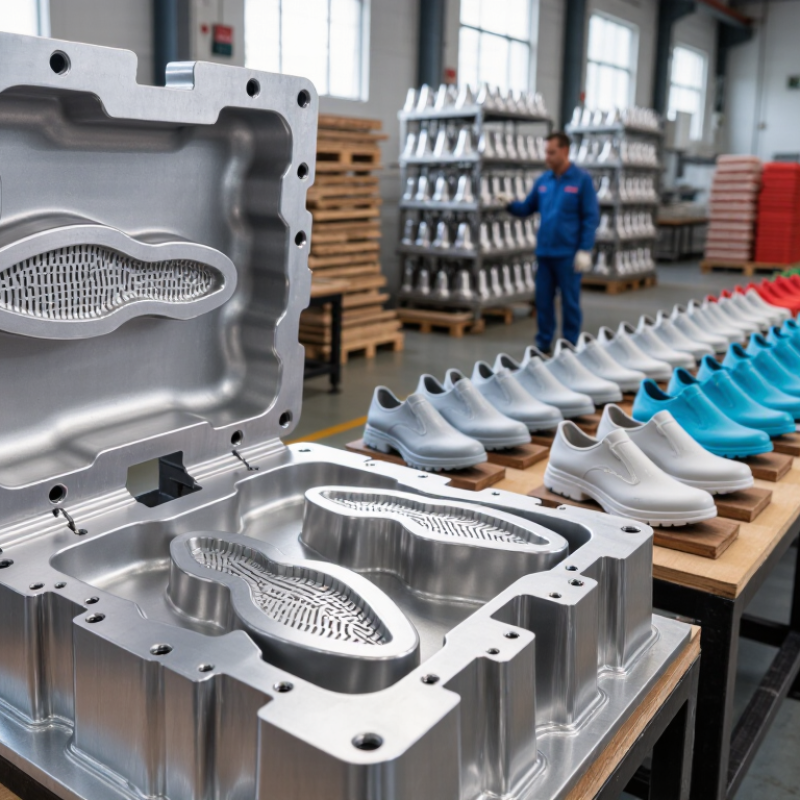
How to Find the Best EVA Shoe Mould in China?

What Is an EVA Shoe Mould and Why Does Its Quality Matter?

An EVA shoe mould is the shaped tool that forms a shoe’s sole under heat and pressure. During molding, heated EVA expands inside the cavity and takes its final shape. The mould controls length, thickness, texture, weight, and surface detail. Small errors can create uneven edges, weak bonding, or uncomfortable pressure under the foot. A heel may feel higher on one side. That affects comfort and production consistency. Quality matters.

In China, request a detailed 3D drawing and a trial sample before placing a large order. Measure outsole length, heel height, cavity depth, and logo placement against your approved specifications. Check vent positions carefully. Poor ventilation can leave marks or trapped air.

Ask about mould material, machining tolerance, surface treatment, repair support, and inspection records. Reliable manufacturers should explain their process clearly and provide repeatable test results.

Do not judge quality by price alone. A cheaper mould can require more trimming, waste more EVA, and produce inconsistent pairs. My own preference is to compare sample results from several suppliers, although this takes more time than expected.

No mould is perfect. Material shrinkage, seasonal temperature, and machine settings still influence the final sole. A thoughtful review should include these variables, not only the mould itself.

Which EVA Shoe Mould Specifications Should You Define First?

How to Find the Best EVA Shoe Mould in China?

Which EVA Shoe Mould Specifications Should You Define First?

Do not start with appearance. Define the product’s use, size range, and target weight first. EVA sandals, casual soles, and lightweight sports components need different mould structures. The World Footwear Yearbook 2024 reported global footwear production at about 23.9 billion pairs in 2023. That scale increases pressure on consistency, cycle time, and material control.

Specify EVA density, hardness, expansion ratio, and shrinkage tolerance before requesting quotations. Hardness should follow a recognized method, such as ISO 868 or ASTM D2240. A practical brief may state 45–55 Shore C, a finished weight of 180 grams, and a dimensional tolerance of ±0.5 millimeters. These figures are not universal. They must match comfort tests and the selected foaming process.

Then define cavity count, mould dimensions, cooling channels, machine compatibility, and surface texture. Ask for venting details around the heel and toe. Poor venting can leave small marks or uneven foam. A 2024 market analysis by Grand View Research identified growing demand for lightweight foam materials in footwear, but market reports rarely solve factory-specific problems. That is where specifications matter most.

Be precise, but leave room for testing. I would request a trial mould and compare weight, rebound, shrinkage, and bonding after production. A common mistake is choosing a low quotation before checking these results. It saves money briefly. Sometimes.

How to Evaluate EVA Shoe Mould Manufacturers in China?

How to Find the Best EVA Shoe Mould in China?

How to Evaluate EVA Shoe Mould Manufacturers in China?

When evaluating EVA shoe mould manufacturers in China, inspect their process, not only their showroom. Ask for recent samples made with similar EVA density, sole geometry, and production volume. A reliable factory should explain mould steel, CNC accuracy, vent placement, and expected mould life in clear language.

Request a trial mould before placing a large order. Measure the sample sole with a digital caliper, especially around the heel, toe, and sidewall. Check weight, rebound, surface texture, and shrinkage after cooling. Review inspection records, dimensional tolerances, and correction procedures. Photos are useful, but physical samples reveal more.

Look closely at communication. Can the engineer identify a filling problem from a marked drawing? Does the factory confirm revisions in writing? Ask to see machining areas, fitting benches, and final inspection equipment. A clean office proves little. I have seen attractive presentations hide weak sampling control. That mistake is easy to make.

Evaluate delivery promises carefully. Compare quoted lead times with actual production schedules, not optimistic estimates. A dependable manufacturer will discuss risks, maintenance, spare inserts, and repair support. Independent references can confirm whether these promises survive real orders. Still, references are not perfect evidence. Your own trial, measurements, and documented approval remain essential.

How to Compare Materials, Technology, Pricing, and Production Time?

An effective EVA shoe mould comparison starts with the finished shoe, not the lowest quotation. Define the target hardness, density, rebound, color, and monthly volume. Different EVA grades can change weight, compression set, and surface recovery. For detailed sole patterns, stable steel tooling often holds sharp edges better than softer materials. Aluminum tooling may reduce initial cost and suit short runs. Ask for material certificates and a test piece. Inspect the sample under normal light. Small flaws matter.

Mould technology affects appearance, consistency, and waste. Confirm cavity balance, vent placement, cooling design, and machining accuracy. Poor venting may leave burn marks or uneven textures around the sole. Ask how the factory controls shrinkage after molding. Request dimensional records for length, width, heel height, and key logos or patterns. Do not rely only on attractive photographs. A physical trial reveals problems earlier.

Pricing needs a clear breakdown. Compare machining, surface treatment, trial runs, revisions, maintenance, and packaging separately. A low quote may exclude important adjustments. Production time depends on design complexity, cavity quantity, material availability, and approval speed. Ask for a dated schedule from drawing confirmation to first sample and final tooling. Include time for a second sample. That step is often ignored. No comparison is perfect. A supplier can promise ten days, yet delayed feedback may extend the schedule. Written specifications and signed samples make the final decision more reliable.

What Quality Checks Should You Complete Before Placing an Order?

How to Find the Best EVA Shoe Mould in China?

Before placing an order, inspect the mould sample, not only the supplier’s photos. Check cavity dimensions with calibrated tools and compare them with your approved shoe last. Measure length, width, depth, and key wall thicknesses. Small differences can create uncomfortable footwear. Review the EVA material specification, including density, hardness, expansion ratio, and expected shrinkage. Ask for recent test records, but verify them against your own sample.

Examine the mould surface under strong light. It should look smooth, without deep scratches, sharp edges, trapped debris, or uneven polishing. Check vents carefully, because poor air release may cause bubbles and incomplete filling. Test the opening and closing action several times. The mould should align cleanly and maintain stable pressure. Request a trial pair from actual production equipment. Inspect the sole pattern, bonding area, flash, weight, and left-right consistency. A beautiful sample can still hide production problems.

Tips:

Confirm steel or aluminum grade, mould life, repair support, and replacement-part availability in writing. Keep an approved reference sample with signed measurements. I once focused too much on surface finish and missed slight shrinkage near the heel. That mistake was expensive. Allow time for another trial, even when the supplier seems experienced. Good communication helps, but measured evidence is safer. Ask how the factory records dimensional checks, cleaning, maintenance, and final inspection before shipment.

Article Source:

+1 450 449 9133
Contact us sale@rhythmachine.com