A Flux Core Welding Machine is a powerful tool in the welding industry. It utilizes a continuous wire feed to create a strong bond between metals. This machine operates by melting the flux inside the wire, which eliminates the need for shielding gas.
Flux Core welding is often chosen for its efficiency and versatility. It can work on various materials and in different environments, including outdoor settings where wind might impact gas shielding. However, users must be cautious. The process can produce more spatter and require more cleanup than traditional methods.
Understanding the workings of a Flux Core Welding Machine enhances one’s welding skills. The ability to control heat and speed is crucial for a quality weld. While this technique offers advantages, it also comes with challenges that welders must navigate. Learning from experiences with this machine leads to better practices and results.
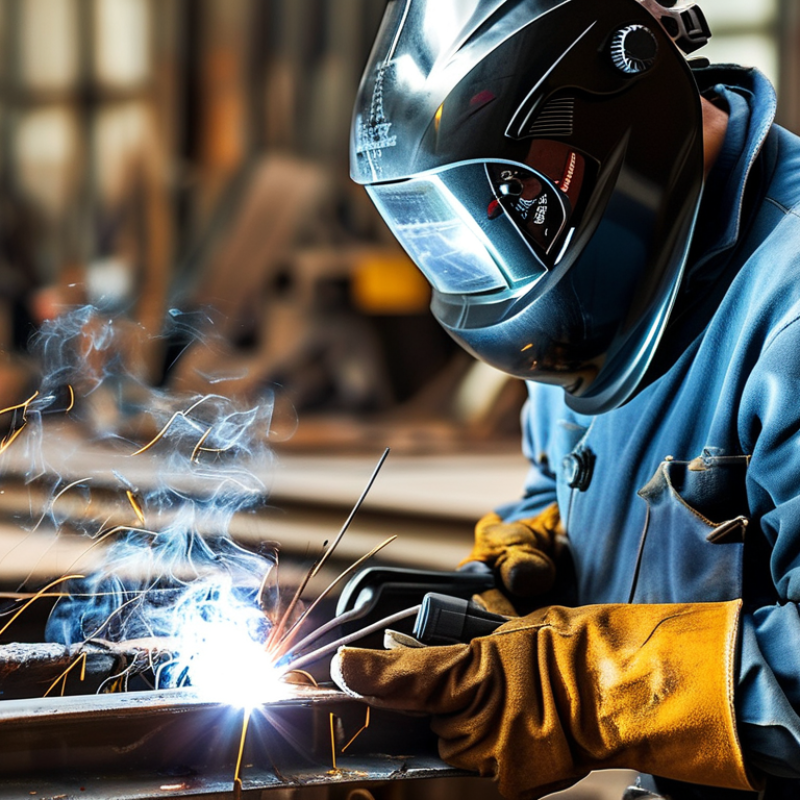
A flux core welding machine is a powerful tool for metal fabrication. It uses a tubular wire filled with flux to create a weld. Unlike traditional MIG welding, it does not need a shield gas. The flux core provides shielding by releasing gases during the welding process. This allows for better control over the weld quality, especially outdoors or in windy conditions.
Operating a flux core welding machine requires some skill and practice. The welder adjusts the voltage and wire feed speed to optimize the weld. Sometimes, users may struggle with inconsistent bead appearance. Issues like spatter and poor penetration can occur. These challenges encourage welders to practice and refine their technique. Proper upkeep of the machine is essential as well. Regular cleaning and maintenance can prevent common issues.
Understanding the basics of flux core welding enhances one’s ability to tackle various projects. While it can be straightforward, mastering the process takes time. New users often find themselves experimenting with different settings. Each project offers a chance to learn. Adapting techniques based on materials and conditions becomes crucial for success.
A Flux Core Welding Machine (FCWM) is essential in various fabrication processes. Understanding its components can elevate your welding projects. The machine typically comprises a welding gun, a wire feed system, and a power supply. Each part plays a vital role in ensuring a successful welding operation.
The welding gun is the most visible part. It delivers the electrode wire to the workpiece. The design of the gun affects the ease of use. The wire feed system is responsible for feeding the flux-cored wire smoothly into the gun. A reliable feed system operates at a controlled speed, ensuring the right amount of wire is delivered. The power supply generates the necessary electricity for welding, and its efficiency directly influences the overall performance of the machine.
Data from industry reports suggest that 40% of welders prefer flux core welding due to its flexibility. However, challenges like spatter and the need for post-weld cleaning are common. These issues can be a learning opportunity. They highlight the importance of refining techniques and understanding machine capabilities. Inexperienced users often struggle with settings, leading to variable results. Therefore, continuous practice and education are key in mastering flux core welding.
Flux core welding is a versatile technique widely used in various industries. Understanding its principle of operation helps in making informed decisions for welding tasks. The process relies on a continuous tubular wire filled with flux. When the welding machine applies electric current, it melts the wire. This creates both the weld and a protective gas that shields the molten metal.
Interestingly, a report by the American Welding Society indicates that over 60% of industrial welders prefer flux core welding for its ease of use and flexibility. This method is particularly effective in outdoor settings where wind might disrupt other techniques. However, the weld quality can vary based on the material and technique used. A welder must have proper skill and experience to ensure strong, clean welds.
Despite its advantages, flux core welding produces a significant amount of spatter compared to other methods. This makes cleanup essential after welding. Additionally, the process can lead to greater smoke production, which requires good ventilation. Welders must evaluate these factors carefully to address potential drawbacks.
Flux core welding offers several advantages that make it a popular choice among welders. One primary benefit is its versatility. It can be used for various materials, including steel and aluminum. This flexibility allows welders to tackle diverse projects, from automotive repairs to heavy machinery fabrication.
Another significant advantage is its efficiency. Flux core welding can penetrate thicker materials effectively, saving time and effort. The process does not require a shielding gas, making it ideal for outdoor work or windy conditions. Welders can complete their tasks quickly, increasing overall productivity.
However, there are challenges to consider. Learning proper techniques takes time. The quality may vary depending on the skill level. Welders must be cautious of slag, as it can influence the final outcome. Continual practice is crucial for perfecting the technique and achieving strong welds.
Flux core welding machines are popular in various industries due to their versatility. They work by feeding a tubular wire filled with flux through a welding gun. The process is similar to MIG welding but allows for indoor and outdoor use without shielding gas. This feature makes them suitable for different environments.
Common applications of flux core welding include construction and metal fabrication. These machines are excellent for welding thick materials, making them ideal for building structures. They also suit repair jobs on heavy machinery, where durability is essential. Users often find flux core welding effective for home projects like fences or metal gates. However, the process can produce more spatter than other methods, leading to more cleanup.
In addition, safety considerations should not be overlooked. Proper equipment and protective wear are crucial. Beginners might find it challenging to control the weld bead at first. Reflections on practice and technique are vital for improving skills and achieving better results over time.
| Dimension | Details |
|---|---|
| Type | Flux Core Arc Welding (FCAW) |
| Power Source | Electricity (Inverter or Transformer) |
| Wire Diameter | 0.030 to 0.045 inches |
| Polarity | DC or AC |
| Shielding Gas | None or Optional for certain applications |
| Common Applications | Construction, Shipbuilding, Metal Fabrication |
| Advantages | High deposition rate, can be used outdoors, minimal setup time |
| Disadvantages | More slag, requires cleaning post-weld, less good for thin metals |