Choosing a commercial deck oven is less about buying the largest machine and more about matching its heat, capacity, and controls to your daily bake. A busy pizzeria may need fast recovery between successive pies. A neighborhood bakery may care more about even browning across several loaves. Look closely at deck material, chamber height, independent temperature zones, steam options, and service access. A heavy steel door and a clear temperature display matter when the oven runs through a long lunch rush.
The right choice shows up in the product. A crisp pizza base, evenly colored bread crust, or reliably baked pastry should not depend on which corner of the deck you use. Ask suppliers for test bakes with your own dough and pans. Check how quickly the chamber recovers after loading. Measure the doorway, ventilation route, and available floor space before delivery day. Small oversights can become expensive.
A trustworthy buying guide should also include a named expert’s verified statement. No source article or quotation was supplied here, so I cannot responsibly attribute invented words to an industry specialist. That matters. A persuasive quote is not evidence unless its wording and source can be checked. Use this guide to compare real operating needs, ask sharper supplier questions, and notice where your assumptions may be incomplete. Sometimes the perfect oven on paper is simply too large, too complex, or poorly suited to the menu.
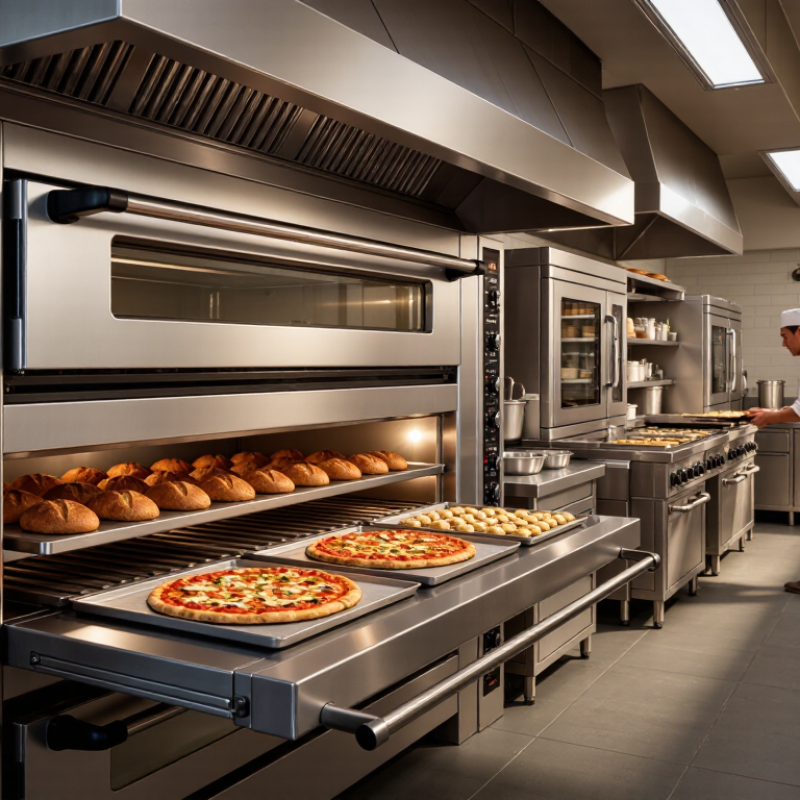
Start with your busiest realistic shift, not an average day. Count how many trays or loaves you need to bake each hour, and note how long each batch takes. Daily totals can hide a sharp morning rush. For example, a café selling 90 pastries before noon may need more deck space than its daily sales suggest. Measure your usual pans, dough pieces, and finished products. Check the oven’s usable deck dimensions, not just its exterior size. That matters. Leave room for normal growth, but avoid paying for capacity that sits empty.
Product requirements shape the oven choice just as much as volume. Crusty bread may need strong bottom heat and steam, while delicate pastries often need steady, even temperatures. Pizza, sheet cakes, and artisan loaves also differ in size and bake time. List your core products, their target temperatures, and the finish you expect. Ask suppliers for operating specifications, then test representative recipes when possible. A small test batch can reveal uneven browning or awkward loading that a brochure will not. Estimates are imperfect; revise them after a real service. Choose a configuration that fits your actual menu and workflow, and confirm utility needs with a qualified technician.
| Planning Dimension | What to Measure | Example Requirement | How It Affects Oven Selection |
|---|---|---|---|
| Daily baking volume | Count the total pieces or batches needed per day, including peak-day demand. | A small bakery may plan for 150–300 loaves per day; a higher-output operation may need 500 or more. | Estimate the number of oven loads required during available production hours. Allow for loading, baking, unloading, and recovery time. |
| Peak-hour output | Identify the busiest production window and the quantity that must be baked within it. | For example, 60 loaves needed within a two-hour morning production window. | Peak capacity matters more than daily totals when deciding how many decks or ovens are needed. |
| Product range | List products by size, shape, recipe, and baking temperature. | Lean hearth loaves, rolls, focaccia, pizza, pastries, or flatbreads may require different heat and humidity conditions. | Choose a configuration that can accommodate the largest product and provide suitable top and bottom heat control. |
| Tray or pan footprint | Measure the trays, pans, baking sheets, or stones used in production. | Common commercial sheet-pan formats vary by region; confirm the usable deck dimensions against the actual pans. | Compare usable internal deck dimensions—not just the oven’s exterior size—with your equipment and product layout. |
| Load per deck | Work out how many items fit on one deck while leaving enough space for heat circulation and product expansion. | A deck holding 12 loaves per load requires five loads to produce 60 loaves, before accounting for baking and turnaround time. | More usable deck area or additional decks can reduce the number of batches, but only if the production schedule supports them. |
| Bake time and recovery | Record typical bake time and the time required for the oven to recover after loading. | A product baked for 25 minutes may take longer overall when loading, unloading, and temperature recovery are included. | Use complete cycle time in capacity calculations. Ask for performance information under realistic loading conditions. |
| Steam requirements | Determine whether products need steam at the beginning of the bake and how often steam will be used. | Many crusty breads benefit from an initial steam application; other products may need dry heat. | Check steam availability, controls, water connection, drainage, and cleaning requirements if steam is essential. |
| Temperature control | Compare the temperature range and independent control options needed for your recipes. | Different products may require different set points or distinct top- and bottom-heat settings. | Independent deck or heat-zone controls can help when baking several product types, but may add operating complexity. |
| Energy and utilities | Confirm available electrical supply or fuel, ventilation, water, and drainage at the installation site. | Requirements depend on the oven’s size and configuration; confirm voltage, phase, connected load, and local code requirements. | Have a qualified installer verify site capacity before purchase. Consider operating hours and local energy costs as well as initial cost. |
| Space and workflow | Measure the installation area, doorways, service clearances, and movement paths for staff and products. | Include room for loading tools, cooling racks, and safe access to controls and service panels. | Check the oven’s full installed footprint and delivery route. A larger oven is useful only if the space and workflow can support it. |
| Future growth | Estimate likely production growth and changes to the product mix over the next few years. | Plan for an increase in output or added products without assuming that all growth will occur at once. | Compare a larger-capacity unit with a modular setup, and assess the cost of unused capacity against the cost of later expansion. |
Planning note: Capacities and utility requirements vary by oven design, product size, recipe, and operating conditions. Confirm final specifications with the equipment supplier and a qualified installer.