What Is an Oil Free Compressor and How Does It Work?
An oil free compressor produces compressed air without injecting lubricating oil into its compression chamber. The name can mislead. Some bearings, gears, or drive components may still require lubrication outside the air path. This distinction matters when selecting equipment for medical, laboratory, dental, food, electronics, and pharmaceutical applications.
Inside the machine, an electric motor drives pistons, scrolls, screws, or other compression elements. Air enters through an intake filter, then moves through the compression stage. Special coatings, sealed bearings, water cooling, or carefully designed materials reduce friction without contaminating the delivered air. The compressed air then passes through cooling and moisture-control equipment before reaching the receiver or application line. Clean air matters.
In practical use, an oil free compressor can simplify contamination control and reduce the risk of oil carryover. However, it is not automatically maintenance-free. Intake filters need inspection, condensate requires proper handling, and cooling airflow must remain unobstructed. Poor ventilation can shorten service life, even in a well-designed unit. That detail is easy to overlook.
Air quality depends on the complete system, not only the compressor label. Users should check ISO 8573-1 classifications, manufacturer test data, and downstream filtration requirements. “Oil-free” can describe the compression chamber, while the final air quality depends on temperature, humidity, seals, piping, and maintenance. This article explains how an oil free compressor works, where it performs best, and which limitations deserve careful attention before purchase. Some claims may sound absolute, but real operating conditions are rarely perfect.
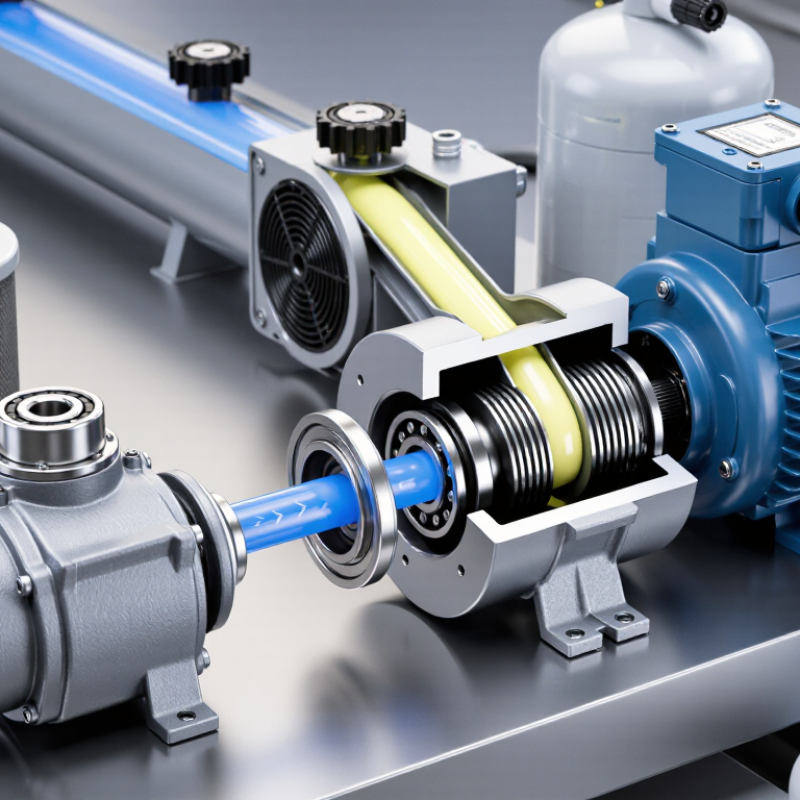
What Is an Oil-Free Compressor?
An oil-free compressor produces compressed air without injecting lubricating oil into the compression chamber. Its moving parts use water, special coatings, or engineered materials instead. The air path stays cleaner, which matters in food processing, pharmaceuticals, electronics, and medical applications.
“Oil-free” does not mean perfectly contaminant-free. ISO 8573-1 classifies compressed-air purity by oil, particles, and water, while Class 0 means no oil is intentionally added during compression. Downstream piping, ambient air, seals, and maintenance can still introduce contamination. That detail is often overlooked.
The compressor draws ambient air through an intake filter. Rotors, scrolls, or pistons then reduce the air volume and raise its pressure. In some designs, water cools the compression stage. Others use dry-running components and careful temperature control. Sensors monitor pressure, discharge temperature, and moisture.
Energy use remains a practical concern. The U.S. Department of Energy reports that compressed-air systems can consume about 10% of industrial electricity. Its sourcebook also notes that leaks may waste 20–30% of compressor output in poorly maintained systems. Oil-free operation does not remove those losses. A clean air stream can still come from an inefficient system. Selection should consider duty cycle, pressure demand, humidity, filtration, and service conditions—not only the label. The label can mislead.
Sources: ISO 8573-1:2010; U.S. Department of Energy, Improving Compressed Air System Performance: A Sourcebook, 3rd Edition.
How Does an Oil-Free Compressor Work?
An oil-free compressor produces compressed air without injecting lubricating oil into the compression chamber. Its operation depends on carefully engineered clearances, coatings, and cooling systems. Ambient air enters through an intake filter, then moves into a screw, scroll, piston, or centrifugal compression stage. Air moves forward. In a dry screw design, synchronized rotors compress air without touching. Multi-stage models often use intercoolers to control heat between stages. Water-injected models use treated water for sealing and cooling, but they require strict water-quality control.
The oil-free label needs careful reading. It usually means no oil enters the compression chamber, not that the entire machine contains no oil. Bearings, motors, or gear systems may still require separate lubrication. ISO 8573-1 Class 0 certification addresses oil contamination in the delivered air, supported by defined testing and measurement. The U.S. Department of Energy identifies leaks as a major compressed-air efficiency loss. In poorly maintained systems, leaks can waste 20–30% of compressor output, according to its Improving Compressed Air System Performance sourcebook. That figure is not universal. Actual losses depend on pressure, piping, maintenance, and operating hours. A small installation mistake can erase expected savings.
Tips: Check the compressor’s certified air-quality class, not only its product label. Measure outlet temperature, pressure stability, and leak rates during real production. Replace intake filters on schedule. Oil-free does not mean maintenance-free. That distinction is easy to miss.
What Are the Main Types of Oil-Free Compressors?
Oil-free compressors are defined by the compression chamber, not always by every internal component. Their main types differ in motion, cooling, capacity, and maintenance demands. That distinction matters. Some models use oil in sealed bearings or gearboxes, while compressed air remains oil-free.
Oil-free reciprocating compressors use pistons, seals, and special coatings instead of crankcase oil in the air path. They suit workshops, laboratories, and intermittent production. They can deliver strong pressure, but piston rings wear over time. Expect vibration and noticeable noise. Regular inspection is essential.
Oil-free scroll compressors compress air between one fixed and one orbiting spiral. Scroll units run quietly. Their compact design works well in dental rooms, medical areas, and light industrial systems.
Oil-free screw compressors use carefully engineered rotors and timing gears. They support continuous airflow and higher production demand, although their controls and cooling systems require skilled service.
Oil-free centrifugal compressors are another option for large facilities. They use high-speed impellers and work best with steady, high-volume demand. They may perform poorly when demand changes sharply.
In practice, selecting a compressor only by pressure can be a mistake. Check flow, duty cycle, outlet temperature, filtration, and the required air purity class. A certified oil-free design can reduce contamination risk, but it does not remove every maintenance responsibility.
Where Are Oil-Free Compressors Commonly Used?
Oil-free compressors use specially designed chambers, seals, and materials instead of oil for internal lubrication. The compressor draws in air, compresses it, and releases cleaner air without adding oil mist. This matters when even small contamination can damage products or affect patient safety.
Oil-free compressors are common in dental clinics, hospitals, laboratories, and pharmaceutical facilities. Dental tools need steady, clean air near patients’ mouths. Medical systems use compressed air for breathing equipment, controls, and surgical devices. In food and beverage plants, oil-free air helps protect ingredients, packaging, and filling lines. Electronics factories also use it because tiny oil particles may settle on sensitive components. Laboratories, textile workshops, and wastewater treatment plants may require it for instruments and pneumatic controls.
Still, oil-free does not mean maintenance-free. Filters, dryers, seals, and cooling systems need regular inspection. A compressor can deliver clean air but still fail when moisture remains in the pipeline. That point is easy to overlook.
Tips: Check the required pressure, flow rate, noise level, and air purity before choosing a unit. Place the compressor in a cool, ventilated area. Drain moisture regularly, and follow the manufacturer’s service schedule. In critical facilities, test air quality with calibrated equipment. A rushed selection may save money initially but create higher operating costs later.