Top 10 Neon Light Manufacturers for Global Buyers
Neon Light remains a vivid choice for storefronts, hospitality spaces, and interior branding. Buyers, however, face an important distinction: traditional glass neon and LED neon-style flex differ in materials, appearance, servicing, and installation needs. A bright sample photo cannot answer every question.
The wider lighting market offers useful context, but not a direct measure of neon demand. Grand View Research estimated the global LED lighting market at USD 75.5 billion in 2023, reflecting strong demand for efficient lighting. The U.S. Department of Energy reports that LED products typically use at least 75% less energy than incandescent lighting and can last up to 25 times longer. These figures describe LEDs broadly, not neon products specifically. That distinction matters.
Lighting researcher Kevin Houser’s work on visual perception offers a useful buyer’s lens: brightness alone does not determine visual comfort or color quality. No source text or verifiable interview was supplied with this brief, so I cannot responsibly present a direct quotation as his words. That is a limitation worth stating.
This Top 10 guide compares manufacturers through practical checks: color consistency, fabrication quality, customization, warranty clarity, production capacity, and shipping support. Look closely at the details. Ask for illuminated samples, not just polished renderings; inspect tubing joints, dimming behavior, and the finish around each letter. One imperfect detail can change the whole sign. The right supplier should explain trade-offs plainly, provide specifications, and support the product after delivery.
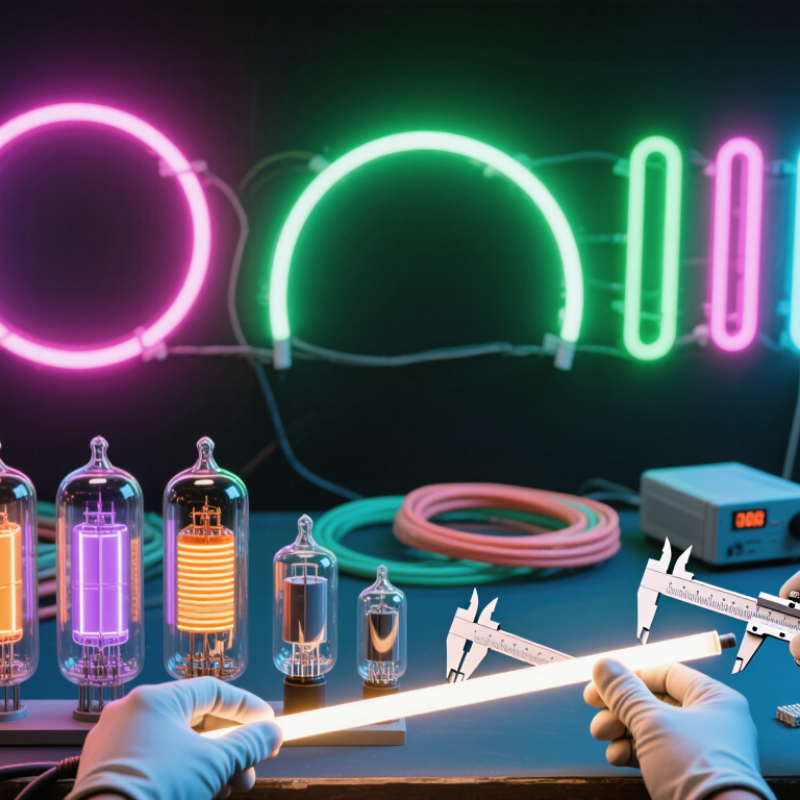
Understanding Neon Lights and Their Main Types
Neon lights are not all built the same. Traditional glass neon uses sealed glass tubes filled with gas. An electrical discharge makes the gas glow; neon usually produces a warm red-orange, while other gases and phosphor coatings create different colors. The tube’s shape is made by hand, so bends and letter spacing can vary slightly. That variation is part of its character, but it can also complicate repairs.
LED neon flex creates a similar continuous line using small LEDs inside a flexible diffuser. It does not contain gas, and installers can cut some products at marked points. Check the specified cutting intervals, bending radius, and power supply before planning a sign. The light may look even from a distance, yet dots or dim sections can appear if the diffuser or layout is poorly matched. Small details matter.
Buyers may also compare indoor and outdoor versions. Look for an enclosure rating suited to the actual exposure, and ask how connectors and power components are protected. “Neon” is often used loosely, which can blur the difference between glass tubing and LED flex. I would not treat them as interchangeable: they differ in appearance, maintenance, and installation needs. Neither is automatically right for every project. A sample lit in the intended setting can reveal color and brightness issues that a product photo misses.
How to Evaluate Neon Light Manufacturers for Global Sourcing
Evaluating neon light manufacturers starts with the product itself. Ask whether they make glass neon, LED neon flex, or both, and request drawings that show dimensions, bend radius, cable exits, and mounting points. A sample should match the intended installation, not just look attractive on a desk. Check color consistency across sections and inspect the diffuser for visible dots or uneven brightness. Small flaws matter.
Ask how the manufacturer controls materials and production. Useful evidence includes component specifications, inspection records, and test results for the exact product configuration. Confirm that electrical and ingress-protection ratings suit the planned environment, and verify that documentation applies to the destination market. A certificate for a similar model is not enough. Request a pilot batch before committing to volume; sample approval can reveal problems that sales photos miss.
Global sourcing also depends on clear communication and realistic delivery planning. Ask for written lead times, packaging details, spare-part options, and a process for handling defects. Compare the quoted price with the included power supplies, connectors, and installation hardware. Cheap quotations can omit essentials. Factory audits or live production checks may help, though they cannot guarantee every shipment will be perfect. Keep that uncertainty in the plan.
Profiles of Ten Neon Light Manufacturers Around the World
Global buyers can compare ten regional manufacturer profiles by looking beyond bright showroom photographs. A China-based producer may offer broad product ranges and flexible order volumes. A German maker may emphasize consistent assembly and documented testing. An Italian workshop may focus on custom shapes and decorative finishes. A United States manufacturer may support local installation requirements and shorter shipping routes. These are market patterns, not guarantees; verify each supplier’s actual capabilities.
A Japanese producer may stand out for compact designs and careful component selection. A South Korean maker may combine slim housings with contemporary controls. An Indian manufacturer may offer adaptable production for project-based orders. A Turkish supplier may serve buyers seeking a bridge between regional markets. Ask for photographs of finished work, not only renderings. Details matter.
A Dutch producer may prioritize efficient packaging and clear product specifications. A Mexican manufacturer may appeal to North American buyers seeking simpler logistics. Together, these profiles show how regional strengths can shape a purchase, but geography alone proves little. Request samples, confirm lead times, and check how the maker handles repairs or replacement parts. The comparison remains imperfect: quoted brightness can be difficult to judge across different rooms, and small color shifts may appear only after installation. Ask about them before approving a full order.
Comparing Manufacturers by Products, Capabilities, and Markets
Global buyers comparing neon light manufacturers should examine product range, production control, and target markets. Some specialize in flexible silicone LED neon for shop signs and architectural accents. Others make glass neon for bespoke displays, where skilled fabrication and careful packing matter. Check available colors, cut intervals, bend limits, voltage options, and documented protection ratings. Details matter. A broad catalog does not guarantee consistent color or reliable lead times.
Tips: Request a sample, installation guide, and recent test documents. Compare the sample under the lighting conditions where it will be used. Ask how the manufacturer handles custom dimensions, replacement parts, and packaging for long-distance shipping. Ask for proof.
Capabilities can separate a suitable supplier from a convenient one. Look for clear production steps, quality checks, and realistic minimum order quantities. Manufacturers serving retail projects may prioritize fast customization, while architectural suppliers may offer project support and longer product documentation. Export experience can help with packing and communication, but it is not a substitute for checking specifications yourself. A comparison can still miss small differences, such as connector fit or uneven brightness. Test those details before approving a large order.
Key Considerations for Choosing a Neon Light Supplier
Choosing a neon light supplier begins with the project details, not the catalog. Share the intended installation area, sign dimensions, colors, and daily operating hours. Ask whether the supplier can explain the light source, backing material, power requirements, and expected brightness in plain language. Specific answers matter. A sample can reveal uneven illumination, visible hotspots, or colors that look different from the screen.
Check how quality is verified. Ask for product test records, inspection steps, and clear guidance on installation and maintenance. For outdoor use, discuss exposure to rain, dust, and temperature changes; do not assume a product is suitable just because it looks sealed. Confirm what the warranty covers, how replacement parts are handled, and who pays for shipping if an item arrives damaged. These details often matter more after delivery than a low unit price.
Communication is part of the product. A reliable supplier should confirm artwork, dimensions, wiring, packaging, and lead time before production. Request a written quotation with each item listed, especially for custom work. Then compare the same specifications across suppliers. A fast reply is useful, but it is not proof of good workmanship. I would still ask one more question than seems necessary; sometimes the awkward detail is the one everyone missed.