Why Do Global Buyers Choose Micro Percussion Marking Machines?

Global buyers rarely choose a marking machine because it looks impressive in a catalog. They need permanent identification on steel frames, aluminum plates, engine parts, and traceability labels. A micro percussion system creates dot-by-dot marks with controlled impact, clear depth, and practical durability. In production, that difference becomes visible when oil, dust, vibration, and repeated handling challenge printed labels. The phrase machine marquage micro percussion often appears in international searches, yet buyers usually want more than terminology. They want evidence from real workshops. Can the machine mark curved surfaces? Will characters remain readable after coating or cleaning? How easily can technicians adjust speed, force, spacing, and serial data? These questions shape a serious purchasing decision.

Experienced suppliers answer with samples, test reports, application guidance, and responsive service. A reliable evaluation should compare marking depth, repeatability, noise, fixture stability, software compatibility, and maintenance access. Operators also notice smaller details, such as needle replacement time and the clarity of the control interface. For a factory, minutes lost during setup can become a measurable cost across thousands of parts. Global buyers also review training, documentation, warranty terms, and available technical support. Those details reduce uncertainty across languages, shifts, and production sites. Still, no machine suits every material or workflow. That point deserves honesty. A weak sample test can create false confidence, especially on hard alloys, delicate surfaces, or irregular geometries. Buyers should test representative parts before approval. This article examines why micro percussion marking earns attention worldwide. It also recognizes the practical limits that separate a promising machine from a dependable production tool.
Why Do Global Buyers Choose Micro Percussion Marking Machines?

What Are Micro Percussion Marking Machines?

What Are Micro Percussion Marking Machines?

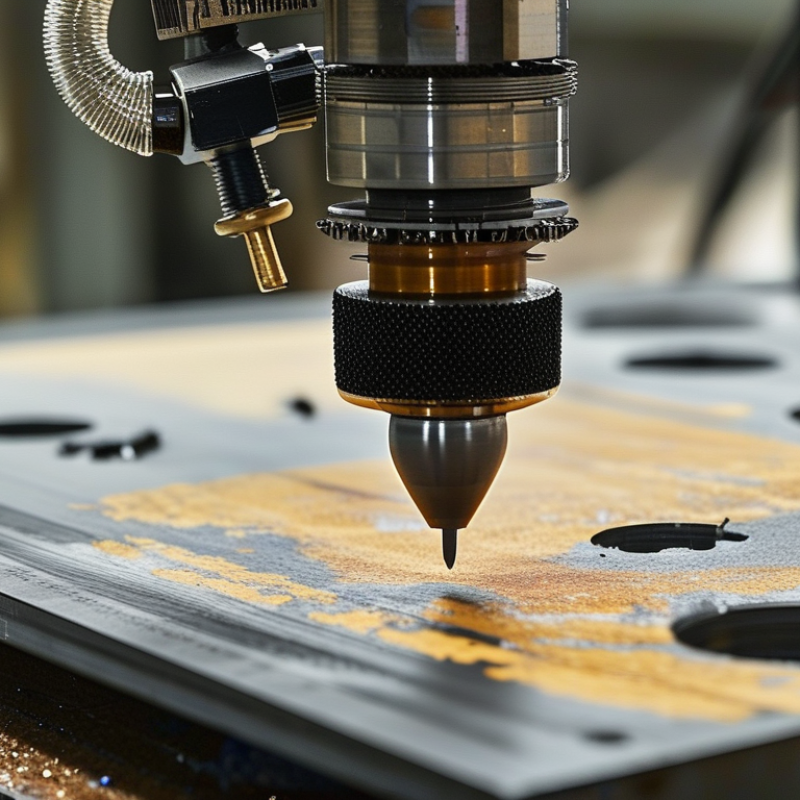
Micro percussion marking machines are compact, computer-controlled tools for permanent identification. A hardened pin strikes a surface repeatedly, creating dots that form letters, numbers, logos, or Data Matrix codes. Unlike laser marking, the process physically displaces material rather than heating it. This makes the mark readable on steel, aluminum, coated parts, and some hard plastics.

The machine usually combines a marking head, drive system, controller, and software. Operators set marking depth, character height, spacing, and impact force. A fixture keeps the component steady. Small errors matter. A loose fixture can turn a clean serial number into an uneven pattern. The mark may also weaken thin materials if the force is excessive.

Traceability explains its industrial value. The International Federation of Robotics reported 541,302 industrial robots installed worldwide in 2023. More automated production increases the need for reliable part identification. A 2024 Grand View Research estimate placed the industrial automation market above 200 billion U.S. dollars, showing the scale of this shift. These figures do not measure percussion marking directly. They indicate a wider demand for connected, repeatable manufacturing processes. In practice, micro percussion marking is durable and economical, but not flawless. Oil, vibration, poor contrast, and incorrect settings can reduce readability. Operators still need verification procedures, suitable fixtures, and documented maintenance.
How Do Micro Percussion Marking Machines Work?

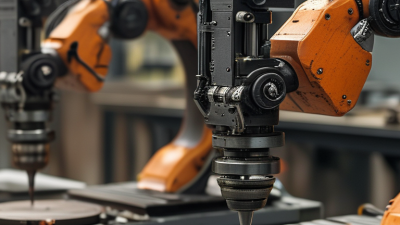
Micro percussion marking machines create permanent identification by striking a carbide pin against a metal surface. A controller moves the pin across programmed X and Y coordinates. Each impact forms one small dot. Thousands of dots can create letters, numbers, logos, or two-dimensional codes.

The machine does not remove much material. Instead, it displaces the surface and produces a deep, readable pattern. Marking force, dot spacing, speed, and pin condition affect the result. Hard steel may need stronger impacts, while thin aluminum requires gentler settings.

From practical testing, clamping matters more than many operators expect. Vibration can make characters uneven. The process is generally quiet and suitable for flat, curved, or irregular parts with the correct fixture.

However, “permanent” does not mean flawless. Poor alignment, oil, scale, or an unsuitable pin can reduce contrast and readability.

Tips:

Clean the marking area before testing. Begin with low force and moderate speed. Check the first sample under normal inspection lighting. Measure character depth when traceability requirements are strict. Replace worn pins before dots become visibly inconsistent. Keep digital marking files controlled and verified. A small trial on scrap material can prevent an expensive mistake.

Which Materials and Products Can They Mark?

Micro percussion marking machines can identify many industrial materials without ink, labels, or solvents. They commonly mark stainless steel, aluminum, brass, copper, titanium, and carbon steel. Anodized or painted metal can also accept clear identification when the coating is suitable. Marking depth must match the surface hardness.

Rigid plastics are another practical option. Automotive housings, electrical enclosures, tools, machine parts, and equipment panels often receive serial numbers, dates, batch codes, or Data Matrix codes. Some reinforced plastics mark cleanly, while soft plastics may deform around each dot. Results depend on thickness, filler content, and surface stability. Not every plastic behaves the same.

Tips: Test a sample first. Use the real material and coating. Check readability after cleaning, vibration, and handling. Curved products need proper fixtures, or the dots may vary in depth. Thin sheets require gentle settings. Fragile ceramics, glass, and highly flexible materials need special evaluation. In my experience, many marking problems come from poor support rather than weak equipment. That detail is easy to miss. A supplier or technician should review hardness, curvature, coating thickness, and required code size before production. Small trials reveal more than optimistic specifications.

Why Do Global Buyers Choose Micro Percussion Marking Machines? - Which Materials and Products Can They Mark?

Material Typical Products Why It Is Suitable for Micro Percussion Typical Mark Result Important Considerations Common Traceability Information
Stainless steel Food-processing components, medical instruments, valves, fittings, automotive parts Durable surface accepts permanent dot-peened marks without ink, labels, or solvents Readable dots, alphanumeric codes, logos, Data Matrix codes, and serial numbers Marking force and pin selection should match the grade, hardness, and surface finish Part number, batch number, serial number, production date, inspection code
Carbon steel Gears, shafts, brackets, tools, structural components, machinery parts The surface is generally strong enough to retain a mechanical mark during handling and service High-contrast marks when suitable marking depth and lighting are used Oil, scale, rust, coatings, and uneven surfaces can reduce readability and consistency Heat number, work order, serial number, operator code, quality status
Aluminum Aerospace parts, electrical enclosures, automotive housings, machine frames Its relatively soft surface can be marked quickly with controlled impact force Clean, shallow, permanent marks with good suitability for 2D codes Excessive force may deform thin walls or create raised material around the dots Serial number, assembly code, revision, batch number, maintenance reference
Anodized aluminum Nameplates, electronic housings, control panels, identification plates The marking can remove or penetrate the anodized layer to create a visible contrast Visible dots or lines with contrast depending on coating color and mark depth The coating thickness and color should be tested before production marking Model number, electrical rating, serial number, compliance reference
Brass and copper Electrical terminals, plumbing fittings, connectors, instrument components These non-ferrous metals can receive permanent marks when impact energy is properly adjusted Fine, shallow dot marks suitable for identification and routing information Soft or highly polished surfaces require controlled force to avoid burrs and distortion Material grade, batch number, supplier code, production date
Hardened and alloy steel Dies, molds, bearings, cutting tools, automotive and industrial components Mechanical marking remains permanent when the machine and carbide or diamond marking pin are matched to the hardness Consistent identification marks; code readability depends on hardness and surface condition Very hard, curved, or heat-treated surfaces require application testing and rigid fixturing Tool ID, heat-treatment batch, cavity number, inspection result
Painted or powder-coated metal Electrical cabinets, frames, appliances, industrial equipment The impact can create a visible mark through the coating while avoiding consumable labels Contrast depends on coating color, thickness, substrate, and selected marking parameters Coating adhesion and corrosion protection should be evaluated after marking Asset number, service date, wiring reference, inspection status
Engineering plastics Automotive clips, electrical connectors, housings, handles, industrial assemblies Some rigid plastics can be permanently indented with low-force impact marking Shallow, low-contrast marks or textured indentations, depending on polymer and color Material brittleness, wall thickness, elasticity, and stress cracking must be checked Mold cavity, revision, material code, batch number, assembly sequence
Why global buyers select this technology: It provides permanent identification without ink, cartridges, or labels; supports alphanumeric text and machine-readable 2D codes; works across many metal surfaces; and can be integrated into manual, semi-automatic, or automated production lines. Actual mark quality depends on material hardness, surface condition, part geometry, marking pin, impact force, and fixturing.

Why Do Global Buyers Choose These Machines?

Global buyers choose micro percussion marking machines because they solve a practical problem: creating durable identification on metal parts. These systems use a controlled stylus to form dot-by-dot characters, codes, and symbols. The marks can remain readable after handling, painting, or moderate surface wear. For manufacturers, that supports traceability without adding labels that may peel away.

Flexibility is another strong reason. Operators can mark stainless steel plates, aluminum components, tools, and finished assemblies with one adaptable setup. Adjustable marking force helps protect thin surfaces while producing deeper marks on harder materials. Many production teams also value compact designs, simple software, and quick fixture changes. Less downtime matters when batches change several times each day. Not always.

In my experience, reliable results depend more on setup than marketing claims. A flat fixture, correct stylus pressure, and a test piece can prevent costly errors. Clear character spacing also improves scanning and manual reading under factory lighting. Buyers increasingly request documentation, maintenance guidance, and compliance support before placing an order. These details show whether a supplier understands real production conditions. However, no machine removes every risk. Curved parts, uneven surfaces, and rushed calibration still require skilled judgment. A careful operator may reject the first sample and adjust the settings before production begins. That small pause can protect a whole shipment.

Why Do Global Buyers Choose Micro Percussion Marking Machines?

Technical suitability score based on common industrial marking requirements

Micro percussion marking is widely selected for its durable indentation, compatibility with many metal surfaces, low consumable requirements, and suitability for permanent identification in demanding production environments. The scores use a 1–5 scale, where 5 represents the strongest practical advantage.

The ratings summarize commonly documented technical characteristics of dot-peen marking systems and are intended for general industry comparison rather than a vendor-specific performance claim.

What Factors Influence International Purchasing Decisions?

Global buyers rarely choose micro percussion marking machines on price alone. They examine marking depth, dot spacing, readability, and repeatability across steel, aluminum, and coated surfaces. A clear sample on one part is useful, but buyers often request tests on several batches. Production variation can expose weaknesses quickly.

Purchasing teams also study integration details. Does the controller communicate with existing software? Can operators adjust character height without specialist training? Local voltage support, language options, and secure data handling may affect approval. Documentation matters too, including user manuals, maintenance schedules, inspection records, and safety information. Reliable suppliers provide these details before payment, not after installation.

Service speed matters.

Total ownership cost often changes the decision. Buyers compare stylus life, air requirements, spare-part availability, shipping conditions, and technician response times. A machine with a lower purchase price may create delays through difficult calibration or limited support. One overlooked factor is training. Even accurate equipment can produce uneven marks when operators press fixtures incorrectly. The problem may appear to be mechanical, but it is sometimes procedural. Buyers should request a practical demonstration and written performance criteria. I would also leave room for doubt. A successful sample test does not guarantee perfect results after months of dust, vibration, and rushed production. Regular inspection remains necessary.

+1 450 449 9133
Contact us sale@rhythmachine.com