A backyard pool can look inviting while its chemistry is out of balance. Water clarity alone cannot confirm that sanitizer and pH levels are within recommended ranges. A Pool Water Tester gives owners a practical way to check these invisible conditions. Depending on the model, it may measure chlorine, pH, alkalinity, or other indicators. Small changes can matter. Looks can mislead.
CDC healthy-swimming expert Michele Hlavsa has said, “The best way to prevent recreational water illnesses is to keep germs out of the pool in the first place.” Testing cannot keep every contaminant out, but it can help owners spot water-quality problems and respond appropriately. A test is only useful when performed correctly. Follow the device instructions, check its expiration date, and compare results with the product’s guidance. Test after heavy rain, frequent swimming, or chemical adjustments, as well as during routine maintenance. A strip read in poor light can be misread. I have to admit, it is easy to trust a quick glance too much. Record readings instead; patterns may reveal changes that one isolated result misses. If results remain unusual, seek guidance from a qualified pool professional rather than adding chemicals by guesswork. A tester is not a substitute for careful maintenance, but it makes informed decisions more attainable.
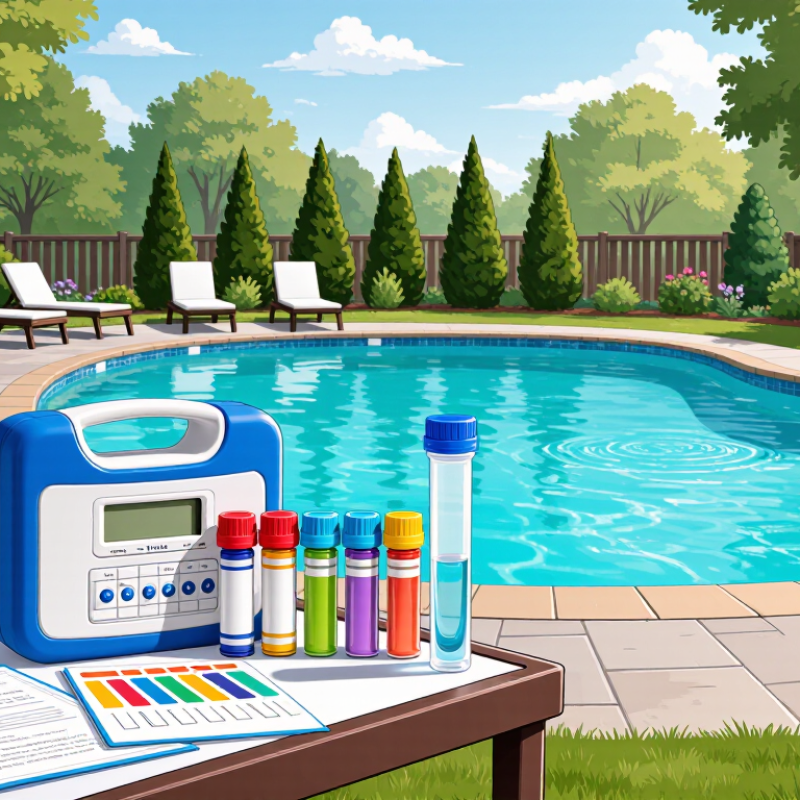
A pool water tester checks more than whether the water looks clear. It measures free chlorine, which sanitizes the water, and total chlorine. The gap between them can indicate combined chlorine, which may contribute to a strong odor or irritation. A clear pool can still need attention.
Most testers also measure pH. A common target range is 7.2 to 7.8, though guidance can vary by pool and sanitizer. If pH drifts too high or low, chlorine may work less effectively, and swimmers may notice eye or skin discomfort. Total alkalinity helps steady pH, so it is useful to track both. Small changes matter.
Some kits check cyanuric acid, which helps protect chlorine from sunlight in outdoor pools. Calcium hardness is another useful reading; levels that are too high or low can affect surfaces and equipment. Take samples away from return jets, and follow the kit’s timing instructions. Color matching can be subjective. If a reading seems surprising, test again before making a large adjustment. One imperfect strip is not the whole story.
A pool water tester helps you monitor sanitizer and water balance. This illustrative seven-day sample tracks free chlorine and pH; common recommended ranges are 1–3 ppm for free chlorine and pH 7.2–7.8. Guidance varies by pool type and sanitizer, so follow your pool-care instructions and test-kit guidance.
Why Do You Need a Pool Water Tester?
Why pH Balance Matters: CDC’s Recommended Range Is 7.0–7.8
A pool can look clear and still have chemistry drifting out of range. The CDC recommends pH 7.0–7.8 for treated recreational water, a range also reflected in its 2023 Model Aquatic Health Code. pH affects how well chlorine sanitizes water. As pH rises, chlorine becomes less effective; outside the range, swimmers may also notice eye or skin irritation. Clear water is not proof.
A reliable pool water tester helps catch small changes before they become harder to correct. Test at a consistent time, follow the kit instructions, and record the result beside the date. A reading near 7.8 deserves attention, even if the water looks inviting. Small shifts matter. Retest after heavy use, rain, or adding treatment chemicals, since these can alter water balance. Test strips are quick, but they can be misread or exposed to moisture; a drop-based kit may provide a useful cross-check. One measurement is only a snapshot. That is easy to forget. Use current CDC guidance and the product’s testing instructions rather than adjusting chemicals by guesswork.
| What to Test | Reading or Guidance | Why It Matters | Practical Testing Action |
|---|---|---|---|
| Pool water pH | 7.0–7.8 | This is the CDC-recommended pH range for pools. Keeping pH in range supports swimmer comfort and helps chlorine work effectively. | Use a suitable pool water test kit or test strips and compare the result with the recommended range. |
| pH below 7.0 | Below the recommended range | More acidic water can contribute to eye or skin irritation and corrosion of pool surfaces or equipment. | Recheck the reading and follow the pool operator’s water-treatment instructions before swimming. |
| pH above 7.8 | Above the recommended range | Higher pH can reduce chlorine’s ability to disinfect effectively and may contribute to cloudy water or scale formation. | Recheck the reading and follow the pool operator’s water-treatment instructions before swimming. |
| Free chlorine | At least 1 ppm in pools; at least 2 ppm when cyanuric acid is used | Chlorine helps control germs in pool water. Its effectiveness is affected by pH, so test both pH and chlorine. | Test chlorine along with pH rather than relying on a pH reading alone. |
| Testing frequency | At least twice daily; more often with heavy use | Swimmers, sunlight, and pool conditions can change water chemistry over time. | Test pH and chlorine before opening and during operating hours, especially when the pool is heavily used. |
A pool water tester helps you know whether the water is disinfecting effectively, rather than relying on smell or appearance. Clear water can still have too little free chlorine. Test before swimming, and repeat after heavy use, rain, or adding chemicals. Small changes matter.
CDC guidance calls for at least 1 ppm of free chlorine in pools without cyanuric acid, and at least 2 ppm when it is used. Some pool guidance recommends 3 ppm as a practical target with cyanuric acid, but that is not the same as the CDC minimum.
Check your local health department’s current advice, since requirements and operating guidance can differ. Use a reliable test kit or strips, follow the timing instructions, and record the result.
A damp strip or a rushed reading can mislead you. Test again if a number seems surprising. That extra check is easy to skip, and I sometimes would.
A pool can look clear and still have an unsafe balance of disinfectant and pH. A pool water tester helps staff check those conditions before swimmers enter. Clear water is not proof. Test results can reveal changes that are invisible from the deck, such as disinfectant levels dropping after a busy swim session.
The CDC recommends that public pools check disinfectant and pH levels at least twice daily. When swimmer numbers rise, checks may be needed more often. A practical routine could include testing before opening and again during the day, with extra checks after heavy use or rain. Record each result, the time, and any adjustment made. Small details matter.
Follow the test kit instructions and local health requirements, since acceptable ranges can vary. Take samples from the pool water, not from a puddle beside the steps. If a result seems unusual, test again with a fresh sample before making changes. I have seen how easy it is to trust one quick reading; that confidence deserves a second look. Keep swimmers out if the water does not meet the facility’s operating standards.
How Test Results Guide Pool Water Treatment and Maintenance
A pool water tester turns an unclear problem into a measurable one. Cloudy water, eye irritation, or a strong chemical smell can signal an imbalance, but appearance alone cannot identify the cause. Test results show whether pH or sanitizer levels need attention, helping pool owners adjust treatment in measured steps instead of guessing. The CDC’s Model Aquatic Health Code recommends a pool pH of 7.0–7.8 and at least 1 ppm free chlorine for pools. Those ranges provide practical reference points, though local conditions and product instructions still matter. A reading is a snapshot, not a guarantee. Rain, heavy swimming, and sunlight can change water chemistry quickly.
Tips: Test before adding chemicals, then retest after treatment. Follow the tester’s timing and storage instructions. Keep a simple log of readings, rainfall, and swimmer load; patterns can reveal recurring changes. Avoid correcting several readings at once when one measured adjustment will do.
Results also help guide routine maintenance. Low sanitizer may call for careful adjustment and another test; an unusual pH reading may affect comfort and sanitizer performance. If readings remain outside the recommended range, check the tester’s condition and repeat the test with a fresh sample. Small details matter: a wet test strip container or an old reagent can distort results. It is easy to trust a number too quickly. Pair testing with observation, regular cleaning, and professional advice when readings stay inconsistent.