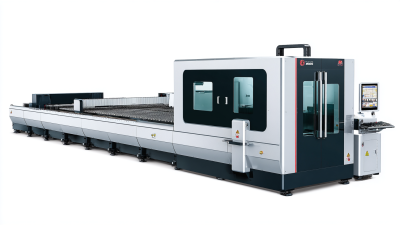
A box laser is generally a laser device housed inside a rigid enclosure. The term is not perfectly standardized. Some sellers use it for enclosed laser engravers, while others describe compact laser cutters or boxed marking systems. That difference matters. A buyer comparing two “box laser” machines may actually be comparing different technologies, power levels, and safety designs.
This guide explains how these machines work and what buyers should examine before ordering. Key factors include laser type, working area, cutting depth, cooling method, ventilation, software support, and replacement-part availability. Diode lasers often suit beginners and lighter materials. CO2 systems usually provide stronger performance on wood, acrylic, and some non-metal surfaces. Fiber lasers are more specialized for metal marking. The best choice depends on the material, workload, budget, and available workspace.
Safety comes first. Look for a fully enclosed design, reliable interlocks, visible operating status, emergency controls, and clear manufacturer documentation. Do not rely on attractive product photos alone. Check independent reviews, warranty terms, local electrical requirements, and realistic test results. A machine that looks powerful may perform poorly with thick materials. Small details matter, such as smoke extraction, lens cleaning, and access to technical support.
There is no universal winner. That answer would be convenient, but inaccurate. Buyers should also question vague claims, unclear certifications, and unusually low prices. A careful comparison can prevent expensive mistakes and help match the box laser to real production needs.
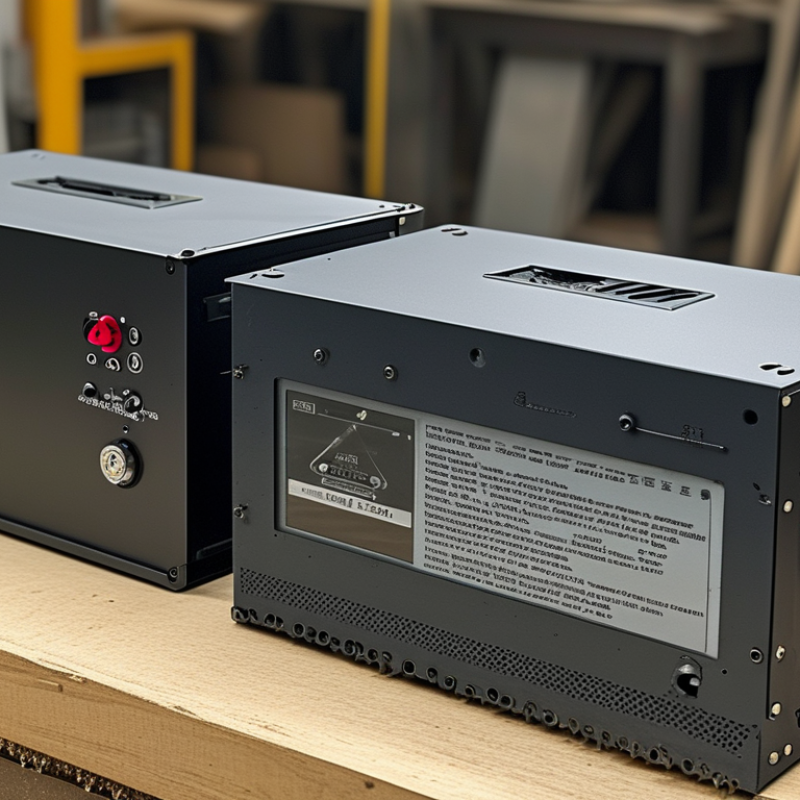
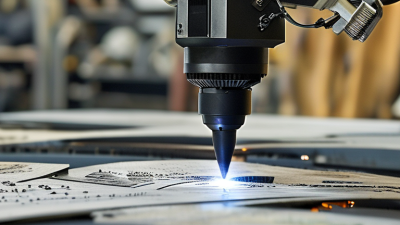
A box laser is an enclosed machine that focuses a concentrated beam onto a material’s surface. It can cut, engrave, or mark materials, depending on its power and laser type. Inside the housing, a laser source sends light through mirrors or a lens. A moving gantry guides the beam across the work area. The focused point becomes extremely hot, creating a controlled burn or cut.
The enclosure is more than a cover. It helps contain bright light, smoke, sparks, and small debris. Many machines also include ventilation ports, viewing windows, lid sensors, and emergency controls. From practical use, ventilation deserves serious attention. A small workshop can fill with unpleasant fumes quickly. A filter may help, but it cannot replace suitable airflow and approved material settings.
Diode lasers often suit light engraving and some thin materials. CO2 systems usually handle a wider range of non-metal materials, including wood, acrylic, and certain fabrics. Fiber lasers are designed mainly for metal marking. The best choice depends on the material, thickness, workspace, and maintenance skills. More power is not automatically better. It may increase speed, but it can also create rough edges or excessive scorching. I have found that beginners sometimes focus on maximum power and overlook calibration. That mistake is easy to make. Safe operation requires eye protection practices, proper ventilation, supervised use, and careful testing on scrap material. Never assume a familiar-looking material is safe to process. Some materials release hazardous gases when heated.
A box laser is an enclosed machine used for cutting, engraving, or marking materials. The main types are defined by the laser source, not the cabinet shape. Buyers commonly compare diode, CO2, and fiber systems. Each type has a different wavelength, spot size, and material response. The enclosure can help contain fumes and stray light. It does not replace proper ventilation or safety procedures.
Diode box lasers are often compact and easier to maintain. They suit wood, cardboard, leather, painted surfaces, and some dark acrylic sheets. Transparent materials can be difficult because the beam may pass through them. CO2 box lasers usually provide stronger cutting performance for wood, acrylic, rubber, fabric, and glass. They are useful for thicker organic materials, but their tubes, mirrors, or cooling systems may require more maintenance. Fiber lasers are designed mainly for metal marking and engraving. They can produce sharp serial numbers, logos, and fine text on steel, aluminum, and coated metals. They are usually less suitable for cutting wood or clear acrylic.
No type wins everywhere. A higher wattage label is not automatically better. Power ratings may describe different measurement standards, which can confuse buyers. Check real cutting samples, working area, lens options, cooling design, exhaust access, and replacement-part availability. I would also test the exact material before purchasing. Small variations in coating, moisture, or surface color can change the result. That detail is easy to underestimate.
A box laser is an enclosed laser system for cutting, engraving, or marking materials. Buyers should judge its features, not only its advertised power. The enclosure should block direct laser exposure and include a reliable lid interlock. IEC 60825-1 remains the key international safety standard for laser classification. The enclosure also needs effective ventilation. A small desktop unit can quickly fill a room with smoke when its exhaust path is weak.
Work area, wavelength, and power determine practical results. A 400-by-400-millimeter bed suits many craft projects, while larger panels need a bigger chamber or careful repositioning. Shorter-wavelength diode systems often handle wood and coated surfaces well. CO2 systems generally cut nonmetal materials more efficiently. The wrong choice wastes time. Grand View Research’s 2024 laser technology analysis forecasts continued market growth through 2030, reflecting wider adoption across manufacturing and small workshops. Growth does not guarantee better buying decisions.
Motion accuracy matters more than impressive speed claims. Look for repeatability data, stable rails, emergency stopping, and software that supports common design files. A clear viewing window helps operators inspect alignment without opening the lid. The U.S. Bureau of Labor Statistics continues to record thousands of workplace eye injuries requiring days away from work each year, so protective design deserves attention. I would also check noise levels and filter replacement costs. A compact box can be convenient, but it may become frustrating when maintenance is overlooked. Safety documentation should be specific. Generic promises are not enough.
A box laser is a compact alignment tool that projects visible lines or points. Its value changes sharply with the application. Indoor renovators usually need a cross-line model for cabinets, tiles, partitions, and electrical outlets. It gives fast horizontal and vertical references across a small room.
Outdoor crews face a harder choice. Sunlight can weaken red beams, while green beams are easier to see but often consume more power. A rotating box laser suits grading, foundation work, and long-distance elevation checks. A 360-degree model is more practical for room layouts because one setup covers several walls. According to ISO 17123-6, field checks should assess a laser’s measurement performance, not just its advertised range. That distinction matters. A 2024 report from Fortune Business Insights valued the global laser technology market at about 20 billion dollars in 2023, but this figure covers many laser categories, not box lasers alone. Buyers should avoid treating broad market growth as proof of tool quality.
Tips: Match beam design to the task. Choose cross-line projection for interior detailing and rotating projection for outdoor levels. Check working range with the detector, not only by eye. Verify accuracy at the jobsite before trusting finished surfaces. IEC 60825-1 labeling also helps users understand laser safety classes. In practice, battery life, tripod stability, and calibration support may matter more than a dramatic range claim. I sometimes overvalue brightness; stable alignment usually saves more time.
A box laser is safest when its enclosure, viewing window, and interlock system remain intact. Buyers should favor a fully enclosed design with a documented safety classification, rather than relying on appearance. The U.S. FDA explains that Class 4 lasers can cause eye or skin injury through direct, reflected, or scattered exposure. OSHA also identifies Class 3B and Class 4 systems as serious eye hazards. Enclosure quality matters.
Never bypass the lid switch or operate with damaged panels. Before each session, check the door, emergency stop, power cable, and ventilation path. Keep the work area free from paper scraps, dust, and flammable residue. The laser should sit on a stable, noncombustible surface. Use approved protective eyewear when the manufacturer or risk assessment requires it. A window is not automatically a certified filter.
Maintenance should be recorded, not remembered. Clean the lens and mirrors with suitable materials, inspect belts and rails, and replace clogged exhaust filters. Smoke buildup can reduce cutting accuracy and raise fire risk. IEC 60825-1 requires laser products to carry safety classifications and warnings, but labels cannot replace daily checks. My practical concern is simple: users often clean optics while ignoring airflow. That mistake is easy to repeat. Buyers should also confirm service intervals, replacement-part availability, and whether maintenance instructions are clear enough for a tired operator at the end of a long shift.
| Decision Area | Option or Specification | Typical Technical Characteristics | Best Use Cases | Buyer Guidance | Safety and Maintenance Considerations |
|---|---|---|---|---|---|
| What is a box laser? | Enclosed laser cutter or engraver | A laser source, motion system, work bed, controller, ventilation connection, viewing window, and protective enclosure are integrated into one cabinet. | Home workshops, schools, studios, small businesses, prototyping, craft production, and light industrial work. | Choose an enclosure that fully contains the beam path during normal operation and provides a suitable exhaust connection. | Enclosure required The enclosure must remain closed during operation. A viewing window must be rated for the laser wavelength and power. |
| Diode laser | Visible or near-visible diode module | Common wavelengths are approximately 405–455 nm. Typical desktop systems range from low single-digit optical watts to around 20 W optical output, although product ratings are not always directly comparable. | Paper, card, wood, leather, coated metal marking, painted surfaces, and selected plastics. | Often the most affordable entry option. It is suitable when cutting thickness is modest and a smaller footprint is important. | Blue or violet beams can cause severe eye injury. Use wavelength-appropriate protection and verify that the enclosure and window are rated for the actual wavelength. |
| CO2 laser | Gas laser tube | Common wavelengths are approximately 9.3–10.6 µm. Typical desktop and workshop systems may range from about 30 W to 150 W, with higher-power equipment available. | Efficient cutting and engraving of wood, acrylic, leather, paper, cardboard, rubber, and many non-metallic materials. | Usually the best general-purpose choice for buyers who prioritize cutting capability and a broader non-metal material range. | Requires careful alignment and cooling. Water-cooled systems need clean coolant, suitable flow, temperature monitoring, and leak inspection. |
| Fiber laser | Solid-state ytterbium fiber source | Common wavelength is approximately 1,064 nm. Pulsed systems are widely used for marking, while higher-power systems can cut some thin metals. | Marking and engraving stainless steel, aluminum, brass, coated metals, and some engineering plastics. | Best for buyers whose main work involves metal identification plates, tools, jewelry, or industrial part marking. It is generally not the first choice for wood cutting. | The near-infrared beam is invisible. A fully enclosed, interlocked cabinet and wavelength-rated viewing protection are essential. |
| UV laser | Ultraviolet solid-state laser | Common wavelength is approximately 355 nm. UV systems can produce fine, low-heat marking on sensitive or specialized materials. | Fine marking on plastics, electronics, glass, coated materials, and selected heat-sensitive components. | Consider this type when detail, contrast, and reduced heat-affected areas are more important than large-format cutting. | UV exposure can damage eyes and skin. Use a certified enclosure, interlocks, suitable protective eyewear, and controlled access. |
| Best type for general buyers | Enclosed CO2 system | Offers strong performance on many common non-metal materials and generally cuts thicker stock than a diode system at a similar desktop scale. | Mixed work involving wood, acrylic, leather, paper, cardboard, and rubber. | Best overall choice when the buyer needs versatile cutting rather than only surface engraving. | Confirm that the exhaust system, cooling system, interlocks, emergency stop, and replacement parts are practical for the intended workspace. |
| Best budget-friendly option | Enclosed diode system | Lower power consumption and a comparatively simple optical setup; cutting speed and thickness are usually more limited than with CO2 equipment. | Light-duty engraving, thin wood, card, leather, painted items, and hobby projects. | Choose it when the workload is light and the lower purchase and operating cost outweigh the slower cutting performance. | Do not rely on the low price or visible beam color as a safety indicator. Treat the laser as hazardous and use a compliant enclosure. |
| Best type for metal marking | Enclosed fiber system | Near-infrared radiation is well absorbed by many metals, enabling high-contrast marking and serial-number work. | Metal tools, components, nameplates, barcodes, and industrial traceability. | Choose fiber when metal marking is the primary task. Verify the required mark depth, speed, field size, and material compatibility. | Invisible radiation can escape through gaps or reflections. Use a correctly rated enclosure and never bypass door interlocks. |
| Material compatibility | Approved material list | Laser response depends on wavelength, power, focus, coating, thickness, and additives. Materials that cut well with one laser may not work with another. | Material-specific production and repeatable prototyping. | Request a documented compatibility list and test unfamiliar materials on small samples before production. | Never process PVC or vinyl Chlorine-containing materials can release corrosive and toxic gases. Avoid unknown plastics and chemically treated materials. |
| Ventilation | Dedicated exhaust path | Laser processing produces smoke, fumes, fine particles, and potentially hazardous decomposition products. | Every enclosed laser installation, including low-power desktop equipment. | Use a properly sized exhaust fan, sealed ducting, and discharge to a safe outdoor location where permitted. Do not vent into occupied rooms. | Inspect hoses, seals, filters, and outlets regularly. Carbon or particulate filters do not make every hazardous material safe to process. |
| Fire prevention | Active supervision and fire controls | Wood, paper, acrylic residue, fabric, and accumulated debris can ignite, especially at high power or slow speed. | All laser cutting and engraving operations. | Keep a suitable fire extinguisher nearby, maintain clear surroundings, and use tested settings that avoid excessive heat buildup. | Never leave the machine unattended Stop the job if flames persist, smoke increases unexpectedly, or airflow fails. |
| Laser classification | Enclosed versus accessible beam | A properly designed enclosure may allow a system to operate as a lower-accessible-emission product during normal use, but the classification depends on the complete design and applicable regulations. | Workplaces, educational environments, and shared studios. | Ask for the product’s safety documentation, classification, interlock information, and conformity evidence for the buyer’s jurisdiction. | Do not assume that every “box” laser is automatically safe. Open covers, defeated interlocks, damaged windows, or service conditions can change the hazard. |
| Protective eyewear | Wavelength-specific laser safety glasses | Eyewear must cover the laser wavelength and provide an optical density appropriate to the exposure risk; one pair does not protect against every laser type. | Alignment, maintenance, open-beam servicing, or any situation specified by the risk assessment. | Check the marked wavelength range, optical density, certification, fit, and condition before purchase. | Eyewear is not a substitute for an enclosure. Replace scratched, cracked, contaminated, or uncertified protective equipment. |
| Interlocks and emergency stop | Door switches, lid sensors, and emergency-stop control | Interlocks should prevent laser emission when the enclosure is open; the emergency stop should rapidly stop hazardous motion and laser output according to the system design. | Any professional, educational, or shared-use installation. | Confirm that interlocks are physically present, clearly labeled, and tested without exposing the operator to the beam. | Test before use according to the manufacturer’s procedure. Never tape down, bypass, or permanently defeat an interlock. |
| Optical maintenance | Lens, mirror, window, and focus checks | Smoke and residue can reduce transmission, distort the beam, lower cutting performance, and increase heat on optical components. | All laser types, with frequency depending on material load and operating hours. | Use only approved cleaning materials and procedures. Replace optics that are cracked, burned, deeply stained, or visibly damaged. | Power off, isolate the machine, and allow hot components to cool before cleaning or servicing. |
| Work bed and debris control | Bed cleaning and residue removal | Char, dust, and scraps can obstruct airflow, affect focus, reflect energy, or create a fire hazard. | Frequent cutting and jobs involving wood, paper, leather, or acrylic. | Clean the bed after each substantial cutting session and remove debris before starting a new job. | Use suitable nonflammable cleaning methods where possible. Do not allow residue to accumulate beneath the workpiece. |
| Motion system | Rails, belts, screws, and drive components | Contamination or poor lubrication can cause inaccurate positioning, vibration, missed steps, and uneven engraving. | Machines used for repeatable production or detailed engraving. | Follow the equipment manual for lubrication type and interval; excessive lubricant can attract dust. | Inspect for loose fasteners, belt wear, abnormal noise, and restricted travel while the machine is powered down. |
| Cooling system | Air cooling or liquid cooling | Some diode and fiber systems use air cooling, while many CO2 systems use liquid cooling for the laser tube. | Higher-duty-cycle work and long production runs. | For liquid-cooled systems, verify flow, temperature, hose condition, coolant level, and leak protection. | Use the specified coolant or clean water-based solution as applicable. Stop operation if temperature or flow alarms appear. |
| Electrical safety | Grounding, rated power, and cable inspection | Laser systems combine high-voltage components, motors, fans, heaters, and control electronics. | Every installation, especially in workshops and educational spaces. | Use a properly grounded outlet and electrical supply suitable for the machine’s rated load. | Disconnect power before servicing. Do not open high-voltage compartments unless qualified and authorized to do so. |
| Software and operating controls | Test files, power-speed settings, and job verification | Incorrect focus, speed, power, or file scaling can cause failed cuts, excessive heat, or unexpected movement. | Repeat production, personalized items, and multi-material work. | Use a small test grid or sample piece when changing material, thickness, lens, or power settings. | Preview the tool path, confirm the work origin, secure the material flat, and verify that no unintended objects are inside the work area. |
| Buyer’s final selection checklist | Performance, safety, service, and total cost | Important factors include usable work area, laser type, optical power, autofocus, exhaust requirements, cooling, noise, software, spare parts, and support. | Buyers comparing equipment for hobby, studio, education, or commercial use. | Choose the laser based on the primary material and workload rather than headline power alone. Confirm installation requirements before purchase. | Prioritize a certified enclosure, functional interlocks, emergency stop, effective exhaust, clear manuals, and accessible replacement components. |