Choosing among the China Top 10 SIC Marking P123 manufacturers requires more than comparing catalog prices. The right supplier must prove technical fit, process stability, and after-sales capability.
Grand View Research’s Industrial Marking Machines Market report identifies traceability, automation, and durable identification as major growth drivers through 2030. MarketsandMarkets also highlights rising demand for connected marking equipment across automotive, electronics, and general manufacturing. These trends explain growing interest in sic marking p123 solutions for permanent part identification.
The P123 is typically evaluated for its portability, dot-peen marking performance, software usability, and compatibility with metal components. A practical review should examine marking depth, character consistency, fixture design, replacement styluses, and operator training. Ask for samples on real materials. Polished steel can hide weaknesses.
SIC Marking applications specialist Laurent Besson describes the core principle this way: “A mark is valuable only when it remains readable throughout the component’s service life.” That statement should guide every supplier comparison. However, a universal ranking is not perfectly objective. Production volume, language requirements, service distance, and material hardness can change the result.
This outline therefore compares Chinese manufacturers through documented capabilities, export experience, quality controls, customization, and technical support. It also separates verified specifications from promotional claims. Some supplier pages remain incomplete. That deserves attention.
Readers should treat the final list as a purchasing shortlist, not an absolute verdict. Factory testing, warranty terms, and sample approval still matter most.
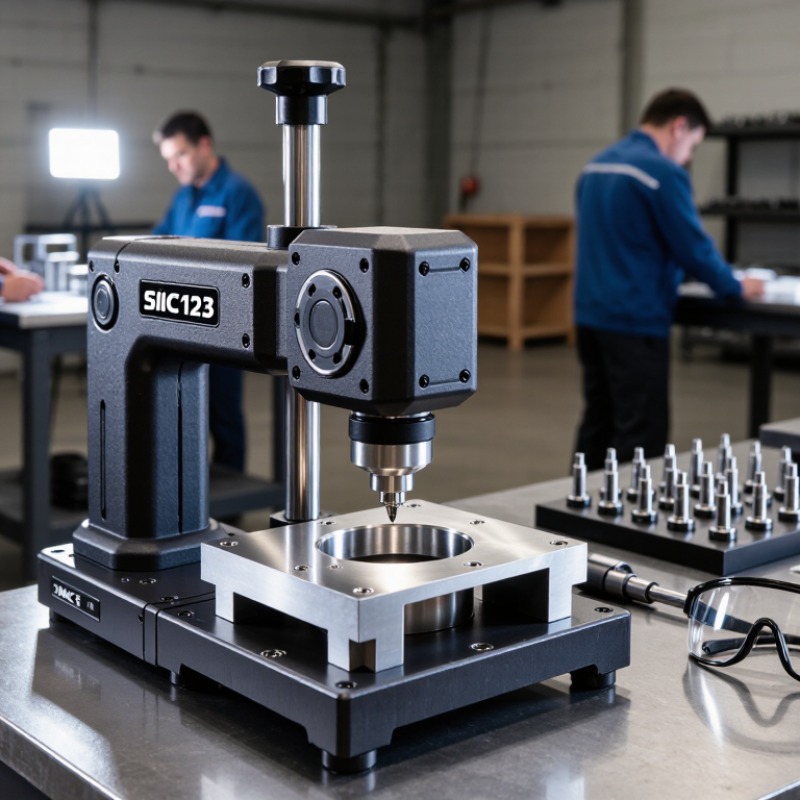
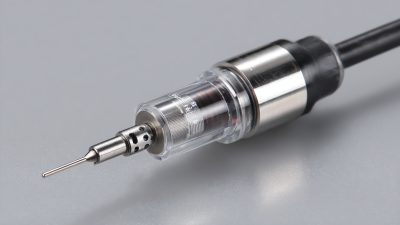
The SIC Marking P123 is a portable dot-peen marking system for permanent identification on metal parts. It creates small, controlled indentations with a carbide stylus. These dots form letters, numbers, logos, or machine-readable codes. The process does not rely on ink, labels, or surface color.
In practical use, an operator positions the marking head against a clean, stable surface. The controller then manages character size, spacing, force, and marking speed. Common applications include serial numbers, batch references, production dates, and traceability codes. It can suit steel, aluminum, and other compatible materials, but surface hardness should be checked before production. A test mark is essential.
The result depends on more than the machine. Fixturing matters. A loose component can produce uneven dots or distorted characters. Curved surfaces also require careful setup. In my experience, the first setup is rarely perfect. I would verify readability under ordinary factory lighting, not only on a computer screen. Operators should inspect stylus wear, clean the contact area, and compare marked samples with approved specifications. Data entry also deserves attention; one wrong character can weaken an otherwise reliable traceability process. The P123 is useful when portability and durable marking matter, though it may not be ideal for every material, geometry, or production volume.
| No. | Data Dimension | P123 Reference Information | How It Is Used | Important Selection or Verification Point |
|---|---|---|---|---|
| 1 | Equipment Type | The P123 designation is associated with a portable dot-peen marking system. | The marking head is positioned directly on the workpiece so identification marks can be applied without moving large parts to a fixed machine. | Confirm the exact model configuration, controller, marking head, and available accessories before purchasing. |
| 2 | Marking Technology | Dot-peen marking creates a series of individual permanent indentations using a controlled stylus. | Software converts characters, numbers, logos, or codes into a dot pattern, and the stylus impacts the surface point by point. | Marking quality depends on stylus condition, impact settings, material hardness, surface condition, and part stability. |
| 3 | Typical Materials | Dot-peen systems are generally suitable for metals such as steel, stainless steel, aluminum, brass, and cast iron, subject to configuration. | They are used on machined components, fabricated parts, tools, automotive parts, and industrial assemblies. | Test samples are required for coated, hardened, thin-wall, painted, or unusually soft materials. |
| 4 | Marking Content | Common content includes text, serial numbers, batch numbers, dates, part numbers, and 1D or 2D identification codes when supported by the controller. | Operators can use variable data to improve traceability throughout manufacturing and service operations. | Check supported fonts, code types, data import options, character height, and communication protocols. |
| 5 | Mark Durability | Because the mark is physically indented into the surface, it is generally resistant to rubbing, solvents, and high-temperature processes. | Permanent identification remains readable after handling, painting, cleaning, or long-term industrial use, depending on process conditions. | For safety-critical parts, validate readability after corrosion, coating, heat treatment, and fatigue testing. |
| 6 | Portable Operation | A portable configuration is intended for marking large, heavy, or already-installed components that are difficult to place on a bench machine. | The operator clamps, positions, or holds the marking head against the target area before starting the marking cycle. | The workpiece must be sufficiently rigid; vibration or movement can reduce dot consistency and code readability. |
| 7 | Marking Surface | Dot-peen marking is most predictable on flat or gently curved surfaces that can maintain consistent stylus contact. | It can be applied to selected areas of housings, shafts, frames, plates, and other industrial components. | For cylindrical or irregular surfaces, verify the available contour-marking function and the permitted diameter or curvature range. |
| 8 | Production Applications | Typical applications include traceability, quality control, anti-counterfeit identification, work-in-process tracking, and regulatory marking. | A unique identifier can link a physical part to inspection records, production data, maintenance history, or supply-chain information. | Define the required character size, cycle time, data format, and readability standard before selecting the system. |
| 9 | Utilities and Integration | The required electrical supply, compressed-air requirement, controller connections, and industrial communication options depend on the specific configuration. | The system may be used as a standalone station or integrated with a production line, fixture, barcode reader, or factory database. | Request an official utility sheet and interface list; do not assume identical requirements across different configurations. |
| 10 | Maintenance and Safety | Routine care normally includes cleaning the marking area, checking the stylus and fixture, reviewing mark quality, and following the equipment service schedule. | Correct setup helps maintain consistent indentation depth, clear characters, and reliable code scanning. | Operators should use machine guarding where required, secure the part, control noise and debris, and follow applicable workplace safety rules. |