China Top SIC Marking C153 Suppliers for Global Buyers?

Finding reliable China Top SIC Marking C153 Suppliers for Global Buyers requires more than comparing online prices. The sic marking c153 is commonly considered for durable identification on metal parts, tools, and industrial components. Buyers should examine marking depth, contrast, speed, software stability, and service responsiveness before making a decision. A low quotation may hide essential costs. These can include lenses, fixtures, training, shipping, or replacement parts.

Experienced suppliers usually provide clear machine specifications and practical sample tests. Ask for marked samples using your actual material, such as stainless steel, aluminum, or coated components. A close inspection can reveal uneven contrast, blurred edges, or inconsistent positioning. These details matter when codes must remain readable after handling, cleaning, or moderate industrial wear. Reliable manufacturers should also explain laser source options, working area, cooling requirements, and expected maintenance intervals.

Evidence matters.

Check factory records, export experience, technical certifications, and customer feedback from comparable industries. A professional supplier should answer technical questions without exaggerated promises. Request videos of real machines, not only polished promotional images. Independent inspection can also confirm build quality and package condition before shipment. Still, no supplier is perfect. Delivery schedules can change, documentation may need correction, and after-sales support can vary by region. Buyers should record these risks in the purchasing plan.

This guide examines important supplier signals, machine capabilities, and verification steps for global buyers. It aims to support careful decisions through practical details rather than broad claims. When selecting a sic marking c153 supplier, transparency, testing, and long-term communication should carry more weight than attractive marketing language.
China Top SIC Marking C153 Suppliers for Global Buyers?

SIC Marking C153: Technical Overview and Core Applications

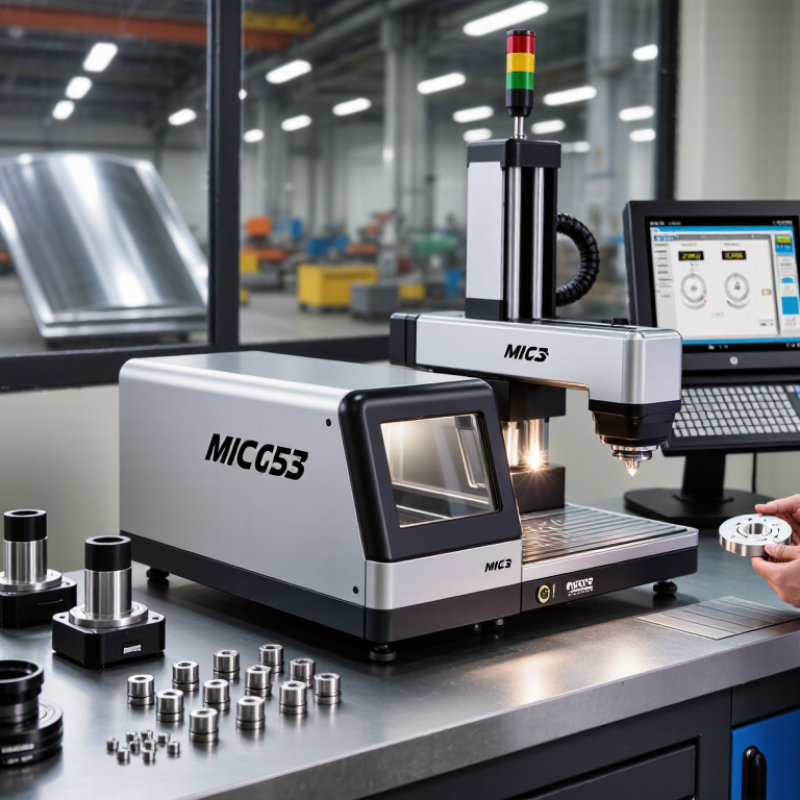
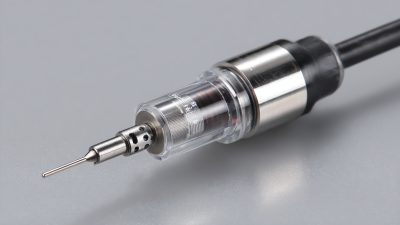
A C153 marking system is designed for permanent dot-peen identification on metal components. Its carbide stylus creates controlled impact points, forming letters, numbers, logos, or two-dimensional codes. Depending on configuration, the marking head can support portable or bench-mounted work. Marking depth depends on material hardness, surface finish, and impact settings. Stainless steel needs different pressure from aluminum. Small details matter.

The World Steel Association reported 1,882.6 million tonnes of crude steel production in 2024. That scale increases demand for reliable part identification across fabrication and maintenance workflows. The International Federation of Robotics recorded 541,302 industrial robot installations in 2023. C153 systems can support these environments when connected with fixtures, scanners, or production databases. However, integration is not automatically simple. Cable routing, fixture rigidity, and readable character spacing still require practical testing.

Tips: Ask suppliers for sample marks on your actual alloy. Check depth, contrast, cycle time, and code readability. Review the World Steel Association and IFR reports for market context, not machine selection. Published specifications may look complete, yet they rarely show performance on oily, curved, or heat-treated surfaces. I would also question claims about universal compatibility. A short factory trial often reveals more than a polished brochure.

SIC Marking C153: Technical Overview and Core Applications

The C153 platform is commonly associated with industrial part identification and permanent traceability. The chart below presents representative marking-field layouts used for serial numbers, Data Matrix codes, VINs, and component identification. Actual dimensions depend on the part geometry, marking head configuration, character size, and readability requirements.

Reference dimensions are shown in millimetres and represent common industrial traceability layouts rather than company-specific production data.

Key Criteria for Evaluating Chinese C153 Suppliers

China Top SIC Marking C153 Suppliers for Global Buyers

Key Criteria for Evaluating Chinese C153 Suppliers

Evaluating a Chinese C153 supplier requires more than comparing online prices. Request a complete configuration sheet before discussing payment. It should identify the laser source, marking head, controller, software, power rating, and working area. Vague specifications can create expensive problems later.

Ask for sample marks on your actual materials. Stainless steel, anodized aluminum, and coated plastic can produce different results. Review contrast, line accuracy, cycle time, and heat effects under normal production conditions. A supplier should explain these results clearly, not only send polished videos. Practical testing matters.

Inspect quality records, calibration procedures, and electrical safety documents. Confirm whether the factory performs final testing on every machine. Ask for serial-number records and photographs of the test bench. Check warranty terms, spare-part availability, training, and response times. A reliable supplier provides written details. Promises are not enough.

Communication also reveals technical maturity. Can the sales engineer explain parameter limits without avoiding difficult questions? Can the factory modify fixtures for your workpieces? During one sourcing review, a low-priced offer looked attractive, but its software support was unclear. That weakness changed the evaluation. I would also request a live video test, although even this is not perfect. Production conditions may expose issues that a demonstration hides. Record every agreed specification in the purchase contract.

China Top SIC Marking C153 Suppliers for Global Buyers? - Key Criteria for Evaluating Chinese C153 Suppliers

Evaluation Dimension Recommended Buyer Benchmark Required Evidence from the Supplier Suggested Weight Verification Notes
Model and Configuration Match The quotation must identify the exact C153 configuration, marking head, controller, lens, software version, and included accessories. Current technical datasheet, serial-number format, configuration sheet, and itemized quotation. 15% C153 specifications can vary by configuration; confirm all parameters directly before purchase.
Marking Application Suitability Successful samples on the buyer’s actual material, surface finish, part geometry, and required marking content. Sample-marking report, test parts, photographs, and specified marking parameters. 15% Test alphanumeric text, logos, serial numbers, barcodes, and 2D codes where applicable.
Marking Quality and Repeatability Consistent contrast, legibility, position, depth, and code readability across repeated samples. Acceptance samples, inspection records, barcode or QR-code verification results, and repeatability data. 12% Define measurable acceptance criteria before placing the purchase order.
Laser or Marking Safety Compliance Safety design and documentation appropriate to the supplied machine configuration and installation environment. Risk assessment, safety manual, protective-enclosure information, interlock details, and applicable conformity documents. 12% For laser-based equipment, request documentation related to IEC 60825-1 where applicable. Do not rely on a logo alone.
Electrical and Export Documentation Electrical ratings, wiring diagrams, user manuals, packing list, commercial invoice, and export documents are complete and consistent. Electrical schematic, nameplate image, manual, certificate package, and shipping-document sample. 8% Check input voltage, frequency, plug type, customs description, and destination-country requirements.
Quality Management System Documented incoming inspection, assembly inspection, final testing, calibration control, and traceability. Valid ISO 9001 certificate, inspection checklist, factory acceptance record, and traceability procedure. 10% Verify certificate scope, issuing body, validity period, and covered manufacturing site.
Production Capacity and Lead Time A written lead-time commitment with production milestones, testing time, and shipment schedule. Capacity statement, production schedule, order-progress reporting process, and recent delivery record. 8% Separate standard configuration lead time from customized tooling, software, or fixture lead time.
After-Sales Service and Spare Parts Defined warranty terms, remote troubleshooting, service escalation, and availability of wear or replacement parts. Warranty document, service response policy, spare-parts list, troubleshooting guide, and training plan. 8% The warranty period and exclusions must be stated in the sales contract, not only in promotional material.
Software and Integration Clear support for required file formats, user permissions, data import, communication interfaces, and production workflow. Software manual, interface list, compatibility statement, demonstration video, and integration test plan. 5% Confirm operating-system compatibility and whether software updates or licenses incur additional charges.
Total Cost of Ownership Evaluation includes equipment price, tooling, fixtures, freight, duties, installation, training, maintenance, and spare parts. Itemized quotation, Incoterms 2020, payment schedule, spare-parts pricing, and maintenance-cost estimate. 7% Compare equivalent configurations and avoid ranking suppliers by machine price alone.
Total Suggested Evaluation Weight 100% Use weighted scores only after technical and safety requirements are met.

Buyer note: This supplier-evaluation framework intentionally excludes company and brand rankings. Product specifications, compliance status, delivery commitments, and warranty terms should be verified against current documents and the final purchase contract.

Leading Chinese SIC Marking C153 Suppliers for Global Buyers

Leading Chinese SIC Marking C153 Suppliers for Global Buyers

Chinese SIC Marking C153 suppliers increasingly serve automotive, electronics, and industrial traceability projects. Their systems commonly support permanent marking on steel, aluminum, plastics, and coated parts. Fiber laser configurations often deliver clear DataMatrix codes with short cycle times.

MarketsandMarkets reports that the global laser marking market may reach about USD 4 billion by 2028, with automation supporting continued demand. This growth creates opportunity, but supplier quality varies.

Global buyers should request sample tests using their actual materials. A reliable supplier should provide beam-source specifications, marking-speed data, software demonstrations, and maintenance procedures.

Ask for repeatability results across at least 30 test pieces. Check enclosure safety, electrical documentation, language options, spare-part availability, and remote diagnostic support.

ISO 9001 certification can indicate process control, although it cannot replace product testing. The International Organization for Standardization identifies ISO/IEC 29158 as a key reference for direct-part-marking quality assessment.

Details matter.

A 20-watt system may mark stainless steel efficiently, but deep engraving can require different power and scanning settings. Do not trust catalog speed alone.

In practical sourcing reviews, some low-cost quotations omitted installation training and replacement lenses. That omission later increased operating costs.

I would also inspect sample contrast under curved surfaces, oil residue, and uneven lighting. No supplier is perfect. Buyers should compare documented results, not impressive showroom demonstrations.

Product Quality, Customization, and Compliance Considerations

Selecting a C153-style marking supplier in China requires more than comparing catalog prices. Product quality appears in small details: stable pin movement, clean character edges, repeatable depth, and a rigid fixture. Request sample marks on your actual steel, aluminum, or coated parts. Measure readability after oil, abrasion, and handling.

Customization should support production, not merely add options. A capable supplier can adjust marking force, character height, serial formats, logos, and data communication. Ask for drawings before fixture production. Confirm mounting dimensions, power requirements, software language, and spare-part availability. A short factory video helps, but it cannot replace an inspection report. I have seen attractive samples fail because the fixture allowed slight part movement.

Compliance needs written evidence. Check the machine’s electrical safety documentation, electromagnetic compatibility results, and applicable material declarations. Confirm whether your destination requires CE-related documentation, RoHS, REACH, or additional local standards. Ask for a risk assessment, user manual, wiring diagram, and traceable component list. These documents reduce customs delays and simplify internal approval. Do not assume a familiar certificate covers every market. Supplier answers may also be incomplete, so independent testing can be sensible for regulated production lines.

Ordering, Exporting, and Supporting C153 Marking Systems Internationally

China-Based C153 Marking System Suppliers for Global Buyers

Ordering, Exporting, and Supporting C153 Marking Systems Internationally

Buying a C153 marking system from China requires more than comparing prices. Experienced buyers should confirm marking depth, material compatibility, software functions, and production speed. Ask for sample tests using your actual parts. A clear test report can reveal contrast problems before shipment.

Supplier communication matters. Request a formal quotation, technical drawings, packing dimensions, and a spare-parts list. Export documents should match the machine configuration exactly. Confirm the commercial invoice, packing list, certificate details, and shipping terms before payment. Wooden cases need suitable treatment and strong internal protection. Small accessories should have labels and separate checklists.

Do not overlook installation support. Reliable suppliers can provide manuals, remote training, troubleshooting videos, and response times for technical questions. A video call during commissioning may solve a sensor or software issue quickly. However, remote support is not always enough. Local language limits, time-zone gaps, and network restrictions can slow progress. Plan for them.

A common mistake is trusting a general catalogue without checking production conditions. Real factories may use oily surfaces, curved parts, or changing batch sizes. These details affect the final marking result. Buyers should keep test samples, maintenance records, and operator feedback. No supplier can predict every factory problem. Honest communication helps both sides improve the setup.

+1 450 449 9133
Contact us sale@rhythmachine.com