Choosing the right sic machine supplier is no longer a routine purchasing decision. Silicon carbide production depends on tightly controlled steps, from wafer grinding and polishing to inspection. Small differences in flatness, surface damage, or process stability can affect yield. A machine may look impressive in a showroom. The real test comes after repeated production runs.
Market data explains why supplier selection deserves close attention. Yole Group’s Power SiC 2023 report forecasts strong growth in the SiC power-device market, reaching about $9 billion by 2029. That expansion raises demand for equipment capable of supporting higher volumes without sacrificing process control. Yet a market forecast does not prove that any particular machine will meet a factory’s needs. Buyers should examine practical evidence: sample wafers, documented process results, uptime records, and service response times. Ask how the supplier handles consumables, software updates, and operator training. Details matter.
A supplier’s claims should be checked against the actual process. Request references from customers using comparable materials and production volumes. Confirm what “precision” means in measurable terms, and ask whether results can be independently verified. Some specifications are easy to advertise and harder to maintain. That deserves a second look. The following seven tips focus on fit, performance, support, and total ownership costs, helping buyers compare suppliers with clearer questions and fewer assumptions.

An SIC machine usually refers to equipment used to process silicon carbide materials. Typical operations include crystal growth, cutting, grinding, polishing, coating, or inspection. Requirements vary by process. There is no single global standard covering every SIC machine. That detail matters.
A reliable supplier should explain how its equipment follows ISO 12100 for machinery risk assessment. Electrical systems should align with IEC 60204-1. Safety-related controls may require ISO 13849-1 validation. Semiconductor equipment buyers often also review SEMI S2, which addresses environmental, health, and safety concerns.
Ask for test records, not attractive promises.
Demand is increasing. The International Energy Agency’s Global EV Outlook 2024 reported nearly 14 million electric cars sold worldwide in 2023. Silicon carbide components support efficient power conversion in many electric vehicle systems. This growth can pressure machine suppliers to shorten delivery times. It can also expose weak quality controls.
Look closely at temperature stability, particle control, vibration, and recipe repeatability. A polished sample proves little. Request data from continuous production. The Semiconductor Industry Association’s 2024 fact sheet reported global semiconductor sales of 526.9 billion dollars in 2023, showing the scale of this supply chain. Still, market size does not guarantee equipment quality.
A supplier may meet a standard on paper and miss practical maintenance needs. That deserves reflection.
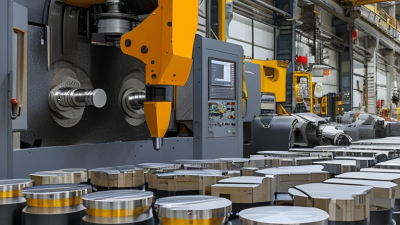
Matching a SIC machine to your material starts with the feed, not the advertised output rate. Silicon carbide is hard and abrasive, so ask how the machine handles your actual grade, particle size, and moisture level. A sample run can reveal uneven processing, excessive heat, or wear that a brochure may not mention. Bring representative material, not an unusually clean sample. That detail matters.
Then compare specifications with the production target. Check capacity at the required fineness, since finer output can reduce throughput. Confirm the machine’s adjustment range, motor load, contact materials, and expected wear-part life. If your process requires narrow particle-size limits, request test results and clarify how measurements were taken. Ask whether dust collection and routine cleaning fit your workspace and shift schedule. Small practical things count.
A supplier should explain assumptions behind its figures, including feed conditions and operating hours. Request maintenance intervals, spare-part availability, and a clear commissioning plan. If energy use or floor space is tight, measure both before ordering. I have seen teams focus on maximum capacity and overlook changeover time. It is an easy miss, and sometimes an expensive one. Specifications are only useful when they describe your material, your operators, and a normal production day.
When evaluating a SIC machine supplier, ask for current quality certificates and check that their scope covers the equipment being offered. A certificate alone proves little if it belongs to another facility or has expired. Request the issuing body, certificate number, validity dates, and site address. Then verify these details directly with the issuer when possible. Small detail. It matters.
Inspection records can show how carefully a machine was built. Ask for measured results from a recent unit, not only a blank inspection form. Useful records may include dimensional checks, spindle runout, alignment readings, electrical safety tests, and trial-run results. Look for instrument identification and calibration dates beside the measurements. A reading without context is hard to trust. For example, a runout value should state where and how it was measured.
Compare the records with your operating requirements, such as workpiece size, tolerance, and expected duty cycle. Ask whether failed checks are documented and corrected, and whether the final test was witnessed or recorded. A neat report is reassuring, but it cannot replace a clear explanation from the quality team. I have seen buyers focus on certificate logos and miss inconsistent data between test sheets. That is easy to overlook. Request one sample report before ordering, and ask the supplier to explain any unclear result in plain language.
Typical timing for accredited management-system certification: a three-year certification cycle with surveillance audits at least once each calendar year. Schedules can vary by certification body and scheme.
What to verify: Confirm the certificate is current and covers the actual manufacturing site and relevant scope. Then review traceable inspection records, including acceptance criteria, measured results, equipment calibration status, nonconformities, and corrective actions. The chart shows certification timing, not a supplier performance score.
For a SIC machine, compare suppliers by cost per accepted part, not sticker price.
Ask for cycle-time data using your material grade, part geometry, and finishing allowance.
A four-minute reduction across 20 cycles per shift, two shifts, and 250 days creates about 667 hours of annual capacity.
That matters only if parts pass inspection. Small gaps compound.
Uptime changes the calculation.
A U.S. Department of Energy maintenance guide provides broad savings benchmarks.
It estimates predictive maintenance may save 8–12% versus preventive maintenance and 30–40% versus reactive maintenance.
Treat these as benchmarks, not promises for a specific production line. Request documented availability, repair times, spare-parts lead times, and service response commitments.
Check whether warranty coverage includes labor, travel, controls, and wear components. Read the exclusions.
Build a five-year model covering cycle time, uptime, service, energy, tooling, and warranty limits.
Ask suppliers to state their assumptions and verify performance during an acceptance run.
A faster quoted cycle can conceal setup delays or frequent changeovers.
Real production is messier.
For a SIC machine supplier, service reliability should be visible in dated records, not vague promises. Ask for median first-response time, repair turnaround, and the share of cases resolved on the first visit. Check how these figures are calculated and whether they cover peak periods. Ask for a sample service log, with customer details removed. Look for clear escalation steps, named technical contacts, and remote support hours. Fast replies matter, but a quick message does not mean the machine is running again. Ask for proof.
Spare-parts performance needs the same scrutiny. Request fill rates for critical components, typical dispatch times, and a list of parts held in local stock. For a component with a long lead time, ask how the supplier handles shortages and obsolete parts. Delivery metrics should compare promised dates with actual arrival dates, including shipment delays and incomplete orders. The World Bank’s 2023 Logistics Performance Index assessed logistics across 139 countries and includes shipment timeliness as a key measure. It offers useful context, but it cannot verify one supplier’s record. Ask for that record directly, then check references. A polished dashboard can still hide a late critical module. Compare the figures with your own production risks, and revisit them after installation.